Introduction: Why Winter Footwear is a Style and Survival Essential
winter footwear mastery is both a style and survival essential. Winter isn’t just a season; it’s a test for your wardrobe. As temperatures drop and conditions shift from wet and slushy to icy and frigid, your footwear becomes the most critical piece in your outfit — the barrier between you and the elements, and the difference between comfort and regret. winter footwear mastery
Winter isn’t just a season; it’s a test for your wardrobe. As temperatures drop and conditions shift from wet and slushy to icy and frigid, your footwear becomes the most critical piece in your outfit. It’s the barrier between you and the elements, and it can make or break both your comfort and your style. At OutfitAura.pro, we believe that practical can be polished, and technical can be timeless. The right winter shoes aren’t just about keeping your feet dry—they’re about maintaining your sartorial integrity when the weather is at its worst.
This guide is more than a list of shoes; it’s a comprehensive philosophy for navigating winter with confidence. We’ll explore how to balance insulation, waterproofing, traction, and style—because no man should have to sacrifice looking good for staying warm. From city streets to mountain trails, from the office to a weekend cabin getaway, we’ve got your feet covered. winter footwear mastery
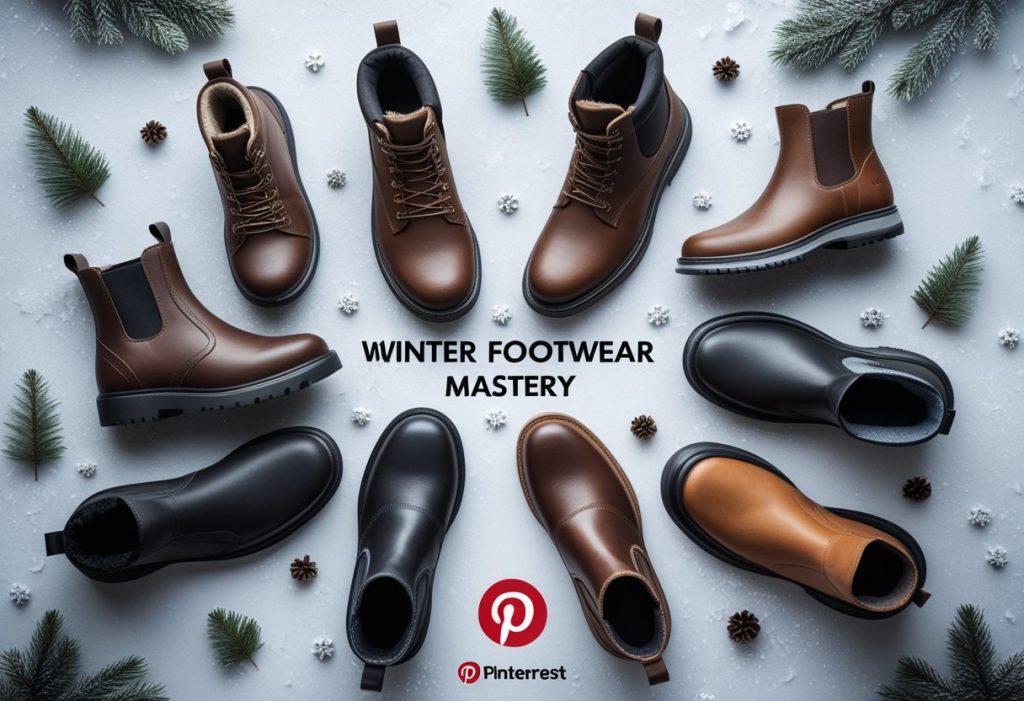
Part 1: Understanding winter footwear mastery
Before we dive into specific styles, you must understand the non-negotiable features that define true winter footwear. A stylish boot that soaks through in five minutes is just a cold, expensive regret. winter footwear mastery
The Holy Trinity: Waterproofing, Insulation & Traction
1. Waterproofing is Non-Negotiable:
This is your first line of defense. Look for boots constructed with a bootie design, where a seamless waterproof membrane (like GORE-TEX® or a brand’s proprietary tech like Timberland DrySeal or Clarks Storm Shield) is bonded to the inner lining. This is superior to surface treatments or waxed leather alone. Seam-sealed construction is key—it prevents water from sneaking in through the stitching. For city boots, a minimum of 200mm of waterproof rating is decent, but for serious conditions, aim for 10,000mm+.
2. Insulation is About Smart Warmth:
More insulation isn’t always better. Too much can lead to sweaty feet, which then get cold. It’s about the right type and weight for your climate and activity level. winter footwear mastery
- Thinsulate™: The industry gold standard for a reason. It provides excellent warmth without significant bulk, retaining heat even when damp. 200-400 grams is perfect for urban winters and moderate activity.
- PrimaLoft®: A superb synthetic, often used in premium boots. It’s incredibly lightweight, warm, and dries quickly.
- Fleece & Wool Linings: Offer natural warmth and breathability. Often found in shearling-lined or “duck boot” styles. They are cozy but can compress over time. winter footwear mastery
- Pro Tip: The warmest boot in the world is useless if your ankles are exposed to wind. A higher shaft (6-8 inches) is a strategic advantage in deep cold. winter footwear mastery
3. Traction Means Staying Upright:
A slippery sole is a hazard. The lug pattern (the deep grooves and lugs on the outsole) is crucial for grip on snow and ice.
- Vibram® Arctic Grip or Arctic Grip Lite: Specifically engineered with microscopic glass particles to grip on slick, icy surfaces. A game-changer for icy city pavements.
- Deep, Multi-Directional Lugs: Essential for snow and slush. They channel away material and bite into soft surfaces.
- Compound Matters: The rubber compound should remain flexible in freezing temps. Stiff, frozen rubber is slippery. winter footwear mastery
(For a deep dive into the technical specs of outdoor gear, check out our guide on Understanding Technical Fabrics for Men’s Outerwear ).
Material Matters: Leather vs. Synthetic
- Full-Grain Leather: The king of durability and patina. When properly treated with a wax or silicone-based protector, it becomes highly water-resistant. It molds to your foot over time, offering unparalleled comfort and a look that improves with age. Brands like Red Wing and Wolverine are iconic for this. winter footwear mastery
- Suede & Nubuck: While incredibly stylish, they require more care. They must be treated with a dedicated waterproofing spray (like Saphir Super Invulner) and are best for drier cold or as a fashion statement in manageable conditions.
- Performance Synthetics (Nylon, Polyester): Used in many modern hiker-style and snow boots. They are often lighter, dry faster, and integrate seamlessly with waterproof membranes. Don’t dismiss them—they’ve come a long way in aesthetics. winter footwear mastery
Part 2: The Essential Winter Shoe Wardrobe – 5 Styles You Need winter footwear mastery
No single boot can do it all. Building a versatile winter footwear roster is the key to preparedness. Here are the five archetypes every man should consider. winter footwear mastery
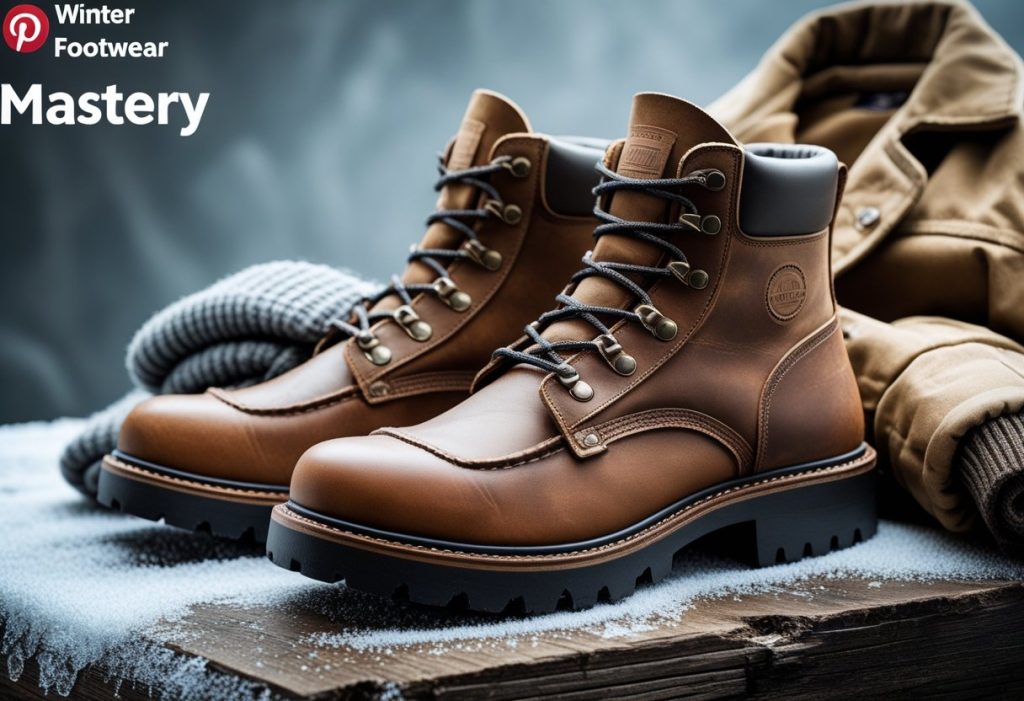
1. The Rugged Leather Boot (The All-Purpose Workhorse)
Think of this as your winter daily driver. Inspired by heritage work boots, this style combines timeless aesthetics with modern weatherproofing. winter footwear mastery
- Ideal For: Everyday urban wear, casual Fridays, weekend errands, light snow, and cold, dry days.
- Key Features: 6-8 inch shaft, Goodyear welt construction (for durability and resoleability), full-grain leather uppers, waterproof membrane, and a robust lugged sole (often Vibram).
- Styling: The ultimate pairing is with dark selvedge jeans or heavyweight chinos. Wear them with a thick wool sock peeking slightly over the top. They look perfect with a chunky knit sweater and a waxed canvas or wool jacket.
- Brands to Explore: Red Wing Heritage (Iron Ranger, Moc Toe with a traction sole), Wolverine 1000 Mile (with a storm welt), Danner Mountain Light, and Thursday Boot Company. winter footwear mastery
2. The Technical Winter Hiker (The Adventure-Ready Specialist)
This is not your average hiking boot. This is a purpose-built winter machine designed for active use in challenging conditions.
- Ideal For: Snowy hikes, walking the dog in deep snow, winter travel to snowy destinations, or anyone who faces consistently harsh, slushy conditions.
- Key Features: Aggressive Vibram Arctic Grip or similar ice-grip soles, high waterproof rating (GORE-TEX), 400+ grams of Thinsulate, gaiter hooks, and a supportive, stiff shank for stability.
- Styling: Keep it functional. Pair with technical pants or insulated hiking trousers. Under a puffer jacket or hard-shell ski jacket, it creates a coherent, performance-ready look. For city adaptation, try them with slim-fit cargo pants in a technical fabric.
- Brands to Explore: Salomon (X Ultra Winter), Merrell (Thermo Chill), The North Face (Chilkat V), and Keen (renowned for their wide toe boxes).
(Planning a winter getaway? Our guide on Building a Capsule Wardrobe for Winter Travel pairs perfectly with these boots.)
3. The Insulated Snow/Lug Boot (The Extreme Condition Specialist)
When the forecast calls for a foot of snow or temperatures well below freezing, this is your go-to. It’s the SUV of winter footwear—big on capability. winter footwear mastery
- Ideal For: Shoveling snow, attending winter sporting events, snowshoeing, or living in areas with persistent, deep snow and sub-zero temps.
- Key Features: Heavily insulated (often 600g+ Thinsulate or similar), tall shaft, rugged, easy-to-clean materials (rubber lowers, waterproof nylon uppers), and a serious, deep-lugged sole.
- Styling: Embrace the utilitarian vibe. These look great with heavyweight jeans or corduroys and a down parka. The key is to not fight their bulk—lean into it for a tough, practical aesthetic.
- Brands to Explore: Sorel (Caribou, Tivoli), Bogs (Classic High), Kamik (Greenbay). winter footwear mastery
4. The Insulated Chelsea or Chukka (The Sleek Urbanite)
Who says winter boots have to be bulky? This category proves that style and substance can coexist. It’s for the man who navigates a city winter where slush and salt are bigger enemies than deep snow. winter footwear mastery
- Ideal For: The office commute, dinners out, smart-casual settings where you need to look sharp but stay dry.
- Key Features: Slip-on design (elastic gore), sleek leather or suede upper (with treatment), subtle lug or commuter sole (some with ice-grip tech), and often a thin layer of insulation or a thermal insole.
- Styling: This is your secret weapon. Wear them with tailored wool trousers, a merino sweater, and an overcoat. The clean lines keep the look sophisticated while the hidden tech keeps you comfortable. winter footwear mastery
- Brands to Explore: Blundstone (Thermal series), Cole Haan (ZeroGrand insulated), and Aquatalia (king of stylish, waterproof footwear).
5. The Waterproof Leather Sneaker (The Modern Hybrid)
The evolution of the sneaker has reached its winterized apex. These are for days when you want the comfort and silhouette of a sneaker but need protection from the elements. winter footwear mastery
- Ideal For: Casual weekends, running errands, travel days, or a creative office environment with a wet commute.
- Key Features: Looks like a premium sneaker but is made with weather-resistant leather, sealed seams, and often a water-repellent coating or membrane. The sole will have more grip than a standard sneaker.
- Styling: Keep it modern and minimalist. Pair with cropped, tapered trousers or dark jeans, and a technical jacket or long wool coat. It bridges the gap between athleisure and smart-casual perfectly. winter footwear mastery
- Brands to Explore: Greats (The Moto Boot in weatherproof), Vessi (everyday Chelsea and sneakers), and various models from Adidas Terrex and Nike ACG. winter footwear masteryf
Part 3: The Ultimate Styling Guide: Pairing winter footwear mastery with Your Wardrobe
Mastering winter style is about harmonizing your footwear with your layers.
The Art of the Pant Break
This is critical. With bulkier boots, avoid a sloppy, bunched-up cuff.
- For Rugged & Technical Boots: Aim for a slight break or a clean single cuff. The goal is to showcase the boot, not drown it in fabric. A tapered leg is your friend here.
- For Sleek Chelseas & Sneakers: A no-break or cropped hem works beautifully, allowing the clean lines of the shoe to be fully visible. This is a sharper, more contemporary look. winter footwear mastery
Socks: The Unsung Hero
Your socks are both a functional layer and a style accessory.
- Material: Merino wool is ideal—it wicks moisture, regulates temperature, and resists odor. Avoid 100% cotton, which holds sweat and gets cold.
- Style: With taller boots, let a tasteful, textured sock (a ribbed merino or a subtle fair isle pattern) peek over the top. It adds a layer of cozy detail. winter footwear mastery
Outfit Formulas That Never Fail
- The Urban Explorer: Technical Winter Hiker + Slim-fit Cargo Pants + Performance Fleece + Puffer Vest.
- The Heritage Classic: Rugged Leather Boot + Dark Selvedge Denim + Flannel Shirt + Chunky Cable-Knit Sweater + Waxed Trucker Jacket.
- The City Slicker: Insulated Chelsea Boot + Grey Wool Trousers + Black Rollneck Sweater + Wool-Cashmere Overcoat.
- The Weekend Casual: Waterproof Leather Sneaker + Cropped Chinos + Heavyweight Hoodie + Long, Technical Shell Jacket.
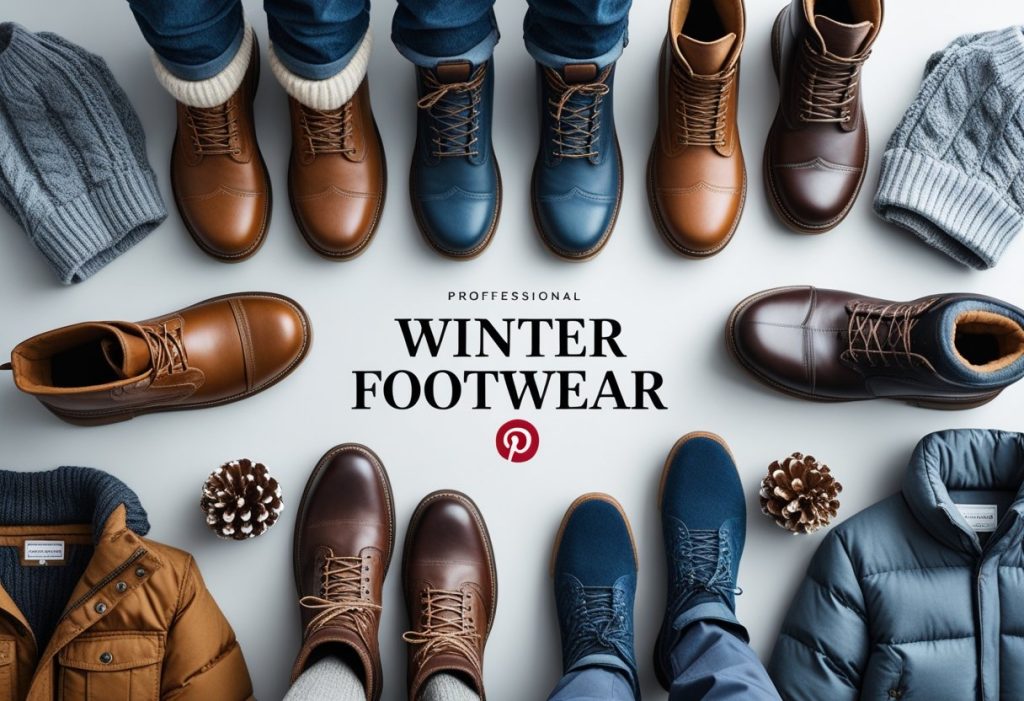
Part 4: Care & Maintenance: Protect Your Investment
Winter is brutal on footwear. Salt, slush, and constant wet-dry cycles can destroy even the best boots.
- The Salt Stain Killer: Salt stains are acidic and will damage leather. To remove, mix equal parts white vinegar and water. Dab (don’t rub) the solution on the stain, then wipe with a clean, damp cloth. Let dry completely.
- The Drying Ritual: NEVER place wet boots directly on a heat source (radiator, fire). This cracks leather and delaminates soles. Stuff them with cedar shoe trees or crumpled newspaper to absorb moisture from the inside and help them keep their shape. Let them dry at room temperature, away from direct heat. winter footwear mastery
- The Protection Plan:
- For Smooth Leather: Clean with a damp cloth, then apply a wax-based conditioner/protector (like Obenauf’s Heavy Duty LP or Saphir Médaille d’Or Pommadier) at the start of the season. Reapply after heavy exposure.
- For Suede/Nubuck: Use a dedicated suede waterproofing spray before first wear and reapply periodically. Clean with a suede brush and eraser.
- For Synthetics: Wipe down with a mild soap solution. Use a silicone-based spray for DWR (Durable Water Repellency) renewal. winter footwear mastery
Part 5: Frequently Asked Questions (FAQs)
Q1: Can I just wear my regular leather boots in winter if I treat them?
A: You can, but with major caveats. Regular dress boots or casual leather boots often have leather soles or shallow treads, making them dangerously slippery on ice. They also lack insulation. Treating them will help with light rain, but they are not designed for sustained exposure to slush, salt, and deep cold. For true winter conditions, invest in a dedicated pair.
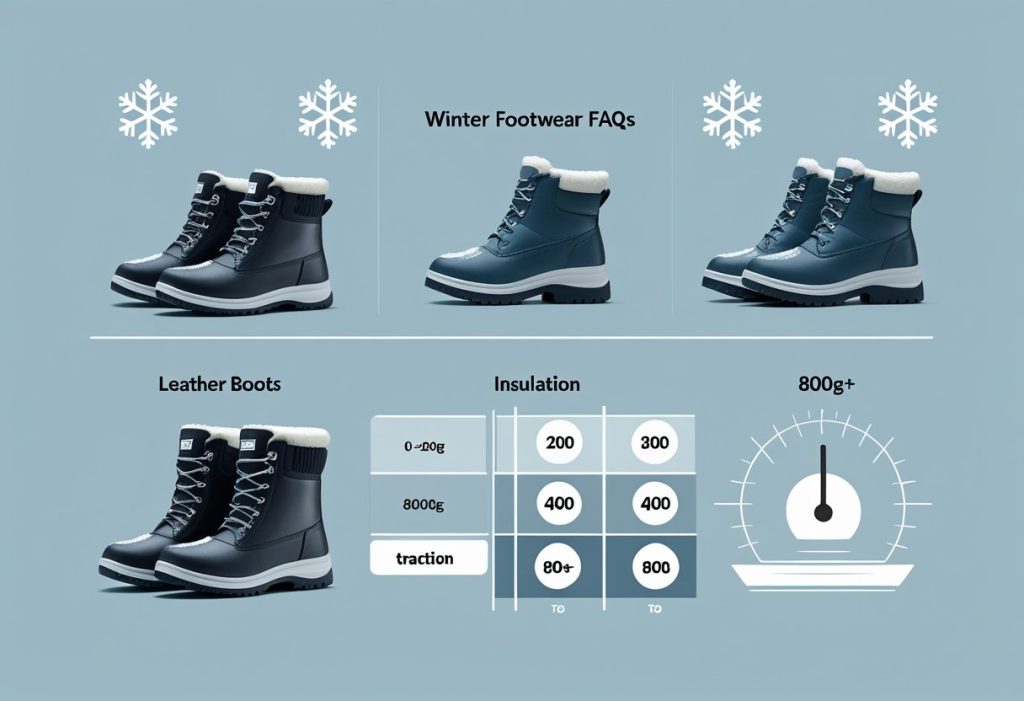
Q2: How do I know what level of insulation (grams of Thinsulate) I need?
A: It depends on your climate and activity:
- 0-200g: Best for mild, wet winters or high-activity levels (you generate your own heat).
- 200-400g: The sweet spot for most urban and suburban winters. Provides warmth without overheating during light activity like walking.
- 400-800g: For cold climates with prolonged sub-freezing temperatures or low-activity use (standing around, commuting).
- 800g+: For extreme cold, Arctic conditions, or stationary outdoor work.
Q3: Are shearling/UGG-style boots good for winter?
A: They are excellent for dry, extreme cold as they provide incredible warmth and breathability. However, the suede exterior offers little water resistance. They are terrible in wet snow or slush, as the suede will soak through and the shearling will get matted. They are an indoor/very dry cold boot, not an all-weather solution.
Q4: How can I make my winter boots more comfortable for all-day wear?
A: Start with the right fit—you should be able to wear a medium-weight wool sock with a little room to wiggle your toes. Invest in high-quality, supportive orthotic or thermal insoles. They can add cushioning, arch support, and even extra warmth. Brands like Superfeet or Heat Holders are great options. Break your boots in gradually before relying on them for a full day.
Q5: What’s the one winter shoe style you recommend as the most versatile first purchase?
A: For most men, the Rugged Leather Boot with a waterproof membrane and a grippy sole is the ultimate first purchase. It offers the best balance of classic style, all-weather capability, and durability. It transitions seamlessly from casual to smart-casual settings and, with proper care, will last for years, becoming a beloved part of your wardrobe.
Q6: How do I transition my winter shoes into spring?
A: As the snow melts, shift towards your lighter-weight, less insulated options. The Waterproof Leather Sneaker and unlined Chelsea boots become perfect. Focus on breathable materials and lighter colours. Give your heavy winter boots a thorough clean, condition, and store them with shoe trees in a cool, dry place until next season.
Conclusion: Step Confidently Into winter footwear mastery
Winter doesn’t have to mean a style hibernation. By understanding the technology, investing in the right archetypes for your lifestyle, and mastering the art of pairing and care, you can build a winter footwear arsenal that ensures you look and feel your best, no matter what the weather throws at you. It’s about intelligent preparation—the hallmark of true, effortless style.
At OutfitAura.pro, we’re here to guide you through every seasonal shift with clarity and confidence. Your journey to a more intentional and capable wardrobe starts from the ground up. Choose your foundation wisely, and step into the season with assurance.
Ready for your next style upgrade? Explore our curated guides on The Best Men’s Winter Coats for Every Budget and Mastering the Art of Layering to complete your cold-weather uniform.DeepThinkSearch
AI-generated, for reference only
Mastering winter style starts from the ground up, and with the right footwear, every outfit becomes stronger, warmer, and more refined. When you understand insulation levels, traction technology, and the difference between rugged, technical, and sleek urban styles, you unlock true winter footwear mastery. No matter how harsh the season gets, the right shoes ensure you stay confident, dry, and stylish in every setting—from the city streets to snowy weekend escapes.
As you build your cold-weather wardrobe, invest in pieces that balance performance and aesthetics. Winter footwear mastery isn’t just about owning multiple boots—it’s about choosing the right pair for the right moment, caring for them properly, and coordinating them with the rest of your winter layers. With thoughtful preparation and smart styling, you’ll step into every winter day with comfort, durability, and effortless style.