Hiking Outfits and Gear Guide: Whether you’re a beginner or an experienced trekker, having the right clothing and equipment is the key to a safe, comfortable, and enjoyable hiking experience. In this guide from OutfitAura.pro, you’ll learn how to choose the best layers, footwear, backpacks, and essential accessories for every type of trail and weather condition. Hiking Outfits and Gear Guide
Welcome to OutfitAura.pro, your definitive resource for functional, comfortable, and stylish outdoor apparel and equipment. Whether you’re planning a day hike through rolling hills or a multi-day backpacking expedition into the wilderness, having the right gear is essential for safety, comfort, and enjoyment. This comprehensive 3000-word guide will walk you through everything you need to know about selecting the perfect hiking outfits and gear, layering strategies, essential accessories, and maintenance tips to prepare you for the trail. Hiking Outfits and Gear Guide
Introduction to Hiking Outfits and Gear Guide
Hiking is more than just a walk in the woods—it’s an immersive experience that connects us with nature while challenging our physical limits. The right outfit and equipment can mean the difference between a memorable adventure and a miserable ordeal. At OutfitAura.pro, we believe that performance and style can coexist in outdoor gear. This guide will help you make informed decisions whether you’re a beginner looking for your first pair of hiking boots or a seasoned trekker optimizing your ultralight setup. Hiking Outfits and Gear Guide
The foundation of a successful hike lies in understanding the environment you’ll encounter and preparing accordingly. Variables like temperature, elevation gain, terrain type, and trip duration all influence what you should wear and carry. By the end of this guide, you’ll have the knowledge to assemble a hiking outfit that keeps you protected, comfortable, and confident on any trail. Hiking Outfits and Gear Guide
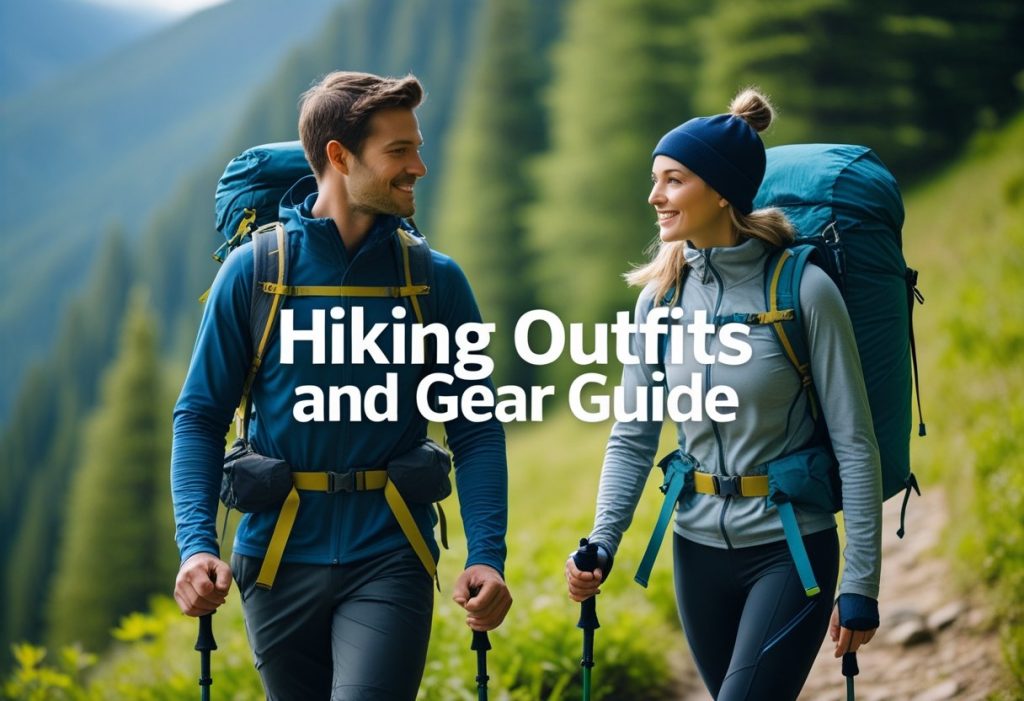
The Layering System: Your Foundation for Comfort
Base Layers: Your Second Skin
Base layers are the foundation of your hiking outfit, worn directly against your skin. Their primary function is moisture management—wicking sweat away from your body to keep you dry and regulate temperature. Avoid cotton at all costs (it retains moisture and can lead to hypothermia) and instead opt for synthetic materials like polyester or natural fibers like merino wool. Hiking Outfits and Gear Guide
Merino wool has become increasingly popular due to its excellent temperature regulation, natural odor resistance, and soft feel against the skin. Synthetic materials like polyester and nylon are more affordable, dry quickly, and are durable. At OutfitAura.pro, we offer a range of base layers suitable for different temperatures and activity levels, from lightweight options for summer hikes to expedition-weight layers for cold-weather adventures. Hiking Outfits and Gear Guide
Mid Layers: Insulation for Warmth
Mid layers provide insulation by trapping warm air close to your body. The type of mid layer you choose depends on the weather conditions and your personal comfort. Fleece jackets are versatile, breathable, and provide excellent warmth-to-weight ratio. For colder conditions, consider insulated jackets filled with down or synthetic materials. Hiking Outfits and Gear Guide
Down insulation offers superior warmth for its weight and compressibility but loses its insulating properties when wet. Synthetic insulation, while slightly heavier and less compressible, retains warmth even when damp. For variable conditions, a lightweight fleece or synthetic vest might be the perfect versatile mid layer that provides core warmth without restricting movement. Hiking Outfits and Gear Guide
Outer Layers: Protection from the Elements
Your outer layer, or shell, serves as your primary defense against wind, rain, and snow. There are two main types: waterproof/breathable shells (hardshells) and wind-resistant, water-repellent shells (softshells). Hiking Outfits and Gear Guide
Hardshell jackets are essential for hiking in sustained rain or wet snow conditions. Look for features like fully taped seams, waterproof zippers, and adjustable hoods. Softshell jackets offer more breathability and stretch, making them ideal for high-output activities in dry or drizzly conditions. Many hikers carry both a lightweight hardshell for emergencies and a comfortable softshell for regular use. Hiking Outfits and Gear Guide
At OutfitAura.pro, we carefully select outer layers that balance protection, breathability, and durability, ensuring you stay dry without overheating during strenuous ascents. Hiking Outfits and Gear Guide
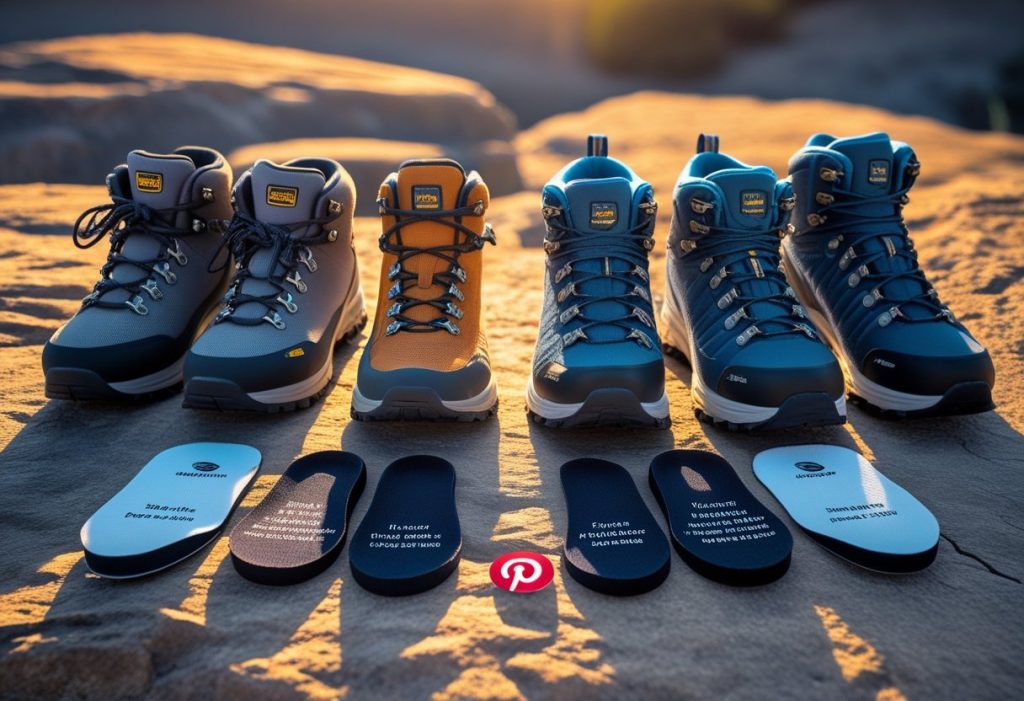
Hiking Footwear: Finding Your Perfect Match
Hiking Shoes vs. Boots: Making the Right Choice
The debate between hiking shoes and boots is ongoing, and the right choice depends on your intended use. Low-cut hiking shoes are lighter, more flexible, and break in faster, making them ideal for day hikes on well-maintained trails with lighter loads. Mid-cut and high-cut hiking boots provide additional ankle support and protection, which is valuable when carrying heavier packs, navigating rocky terrain, or hiking in variable conditions. Hiking Outfits and Gear Guide
Consider the weight of your pack, the roughness of the terrain, and your personal ankle strength when choosing between shoes and boots. Try on footwear in the afternoon when your feet are slightly swollen, and wear the socks you plan to hike in. Remember that different brands have different fits, so don’t hesitate to try multiple options. Hiking Outfits and Gear Guide
The Importance of Socks and Insoles
Never underestimate the importance of quality hiking socks. They provide cushioning, reduce friction, and help manage moisture. Look for socks made from merino wool or synthetic blends with reinforced heels and toes. Consider carrying an extra pair to change into during longer hikes—dry socks can prevent blisters and renew your comfort. Hiking Outfits and Gear Guide
Aftermarket insoles can dramatically improve foot comfort and support, especially if the stock footbeds in your footwear are minimal. Custom or heat-moldable insoles provide personalized arch support and can help address specific foot issues like plantar fasciitis or overpronation. Hiking Outfits and Gear Guide
Breaking In Your Footwear
New hiking boots or shoes require a break-in period to mold to your feet and soften stiff materials. Start by wearing them around the house, then progress to short walks in your neighborhood before taking them on the trail. Pay attention to pressure points and use targeted conditioning or stretching techniques if necessary. Properly broken-in footwear prevents painful blisters and hot spots during your hikes. Hiking Outfits and Gear Guide
Essential Hiking Apparel: From Head to Toe
Headwear: More Than Just Sun Protection
A good hat serves multiple purposes on the trail. Wide-brimmed hats protect your face, ears, and neck from sun exposure. In cooler weather, a beanie or skull cap provides essential warmth (a significant amount of body heat is lost through the head). For rainy conditions, a waterproof hat with a brim keeps precipitation off your face and glasses. Hiking Outfits and Gear Guide
Many hikers also carry a lightweight buff or bandana that can serve as a headband, neck gaiter, or emergency bandage. At OutfitAura.pro, we offer versatile headwear options that combine sun protection, moisture-wicking properties, and packable designs.
Upper Body Apparel: Balancing Mobility and Protection
When selecting hiking shirts, consider the climate and your activity level. For warm weather, moisture-wicking short-sleeve shirts with UV protection are ideal. Long-sleeve shirts with roll-up sleeves offer versatility for changing conditions. Look for features like mesh ventilation panels, thumbholes to keep sleeves in place, and zippered pockets for secure storage. Hiking Outfits and Gear Guide
In cooler conditions, layering becomes crucial. A lightweight long-sleeve base layer paired with a fleece mid-layer and waterproof shell creates a versatile system that can be adjusted throughout the day as temperatures and activity levels change.
Lower Body Apparel: The Right Pants for the Trail
Hiking pants should balance durability, comfort, and functionality. Convertible pants that zip off into shorts offer excellent versatility for changing weather. Look for quick-drying fabrics with some stretch for freedom of movement. Reinforced knees and seats increase durability for scrambling or sitting on rough surfaces.
For warmer climates or high-intensity hikes, consider hiking shorts made from lightweight, quick-drying material with ample pockets. In buggy conditions, pants with zip-off lower legs allow you to convert quickly to shorts while providing protection when needed.
Technical Gear: Beyond Clothing
Backpacks: Carrying Your Essentials Comfortably
Your backpack is the mobile basecamp for all your hiking essentials. Daypacks (20-35 liters) are sufficient for most day hikes, while multi-day trips require larger capacity packs (50-70+ liters). Key features to consider include:
- Suspension system with padded shoulder straps and hip belt
- Ventilated back panel to reduce sweat accumulation
- Multiple access points (top, front, bottom)
- Hydration reservoir compatibility
- Compression straps to stabilize loads
- External attachment points for trekking poles or wet gear
Proper packing technique and weight distribution are crucial for comfort. Place heavier items close to your back and centered between your shoulder blades. Use compression straps to stabilize the load and prevent shifting. At OutfitAura.pro, we offer backpack fitting services to ensure you select the right size and model for your torso length and hiking needs. Hiking Outfits and Gear Guide
Trekking Poles: The Extra Set of Legs
Trekking poles provide stability, reduce impact on joints, improve balance on uneven terrain, and can increase hiking efficiency by engaging upper body muscles. Adjustable poles with cork or foam grips are popular choices. Some hikers prefer collapsible poles that pack easily when not needed.
Proper pole technique involves planting the pole opposite your forward foot and adjusting the length so your elbow forms approximately a 90-degree angle when the tip touches the ground beside you. On descents, lengthen poles slightly; on ascents, shorten them. Hiking Outfits and Gear Guide
Navigation Tools: Never Get Lost
While smartphone apps are convenient, always carry physical navigation tools as backups. A detailed topographic map of your hiking area and a reliable compass are essential safety items. Learn basic map reading and compass skills before heading into unfamiliar terrain.
GPS devices offer additional security with features like emergency SOS signals, route tracking, and waypoint marking. Whichever tools you choose, always inform someone of your hiking plans and expected return time. Hiking Outfits and Gear Guide
Weather-Specific Outfit Considerations
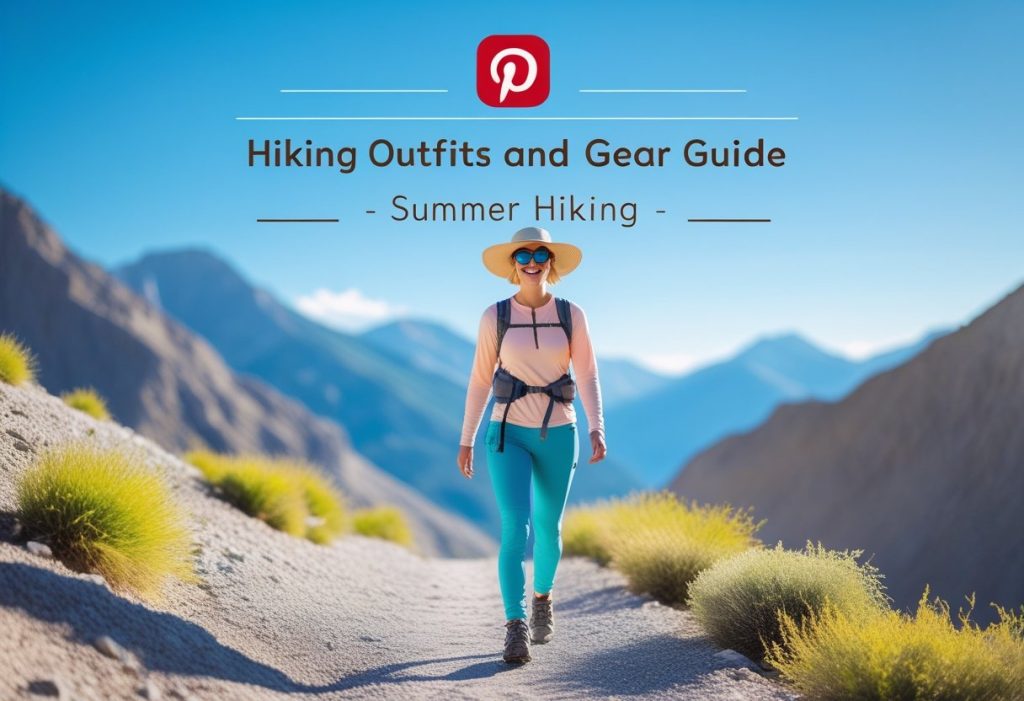
Summer Hiking: Beat the Heat
Summer hiking presents challenges like heat, sun exposure, and dehydration. Your outfit should prioritize sun protection and moisture management:
- Light-colored, loose-fitting clothing reflects sunlight
- UPF-rated fabrics provide sun protection without constant sunscreen reapplication
- Ventilated shirts and pants promote airflow
- Wide-brimmed hat and UV-blocking sunglasses
- Lightweight, breathable footwear with good drainage for stream crossings
Hydration is critical in summer. Carry more water than you think you’ll need and consider electrolyte replacement supplements for longer hikes or particularly hot days.
Winter Hiking: Staying Warm and Dry
Winter conditions require careful attention to insulation and moisture management:
- Start with a moisture-wicking base layer to keep sweat away from your skin
- Add insulating mid layers appropriate for the temperature
- Top with a waterproof, breathable shell
- Consider insulated, waterproof pants for deep snow or wet conditions
- Wear insulated, waterproof boots with appropriate traction devices
- Don’t forget warm gloves, a hat, and face protection
The key to winter comfort is avoiding both hypothermia (being too cold) and hyperthermia (overheating and sweating). Adjust your layers frequently to maintain a consistent body temperature without excessive sweating. Hiking Outfits and Gear Guide
Shoulder Season: Preparing for Anything
Spring and fall often bring rapidly changing conditions that require versatile outfits:
- Layer systems that can be easily adjusted
- Convertible clothing (pants that zip off, sleeves that roll up)
- Waterproof layers packed for unexpected showers
- Extra warm layers for temperature drops, especially at higher elevations
- Footwear with good traction for potentially muddy or icy patches
Check weather forecasts carefully before heading out and be prepared to turn back if conditions deteriorate unexpectedly.
Essential Accessories No Hiker Should Forget
Sun Protection Beyond Sunscreen
While sunscreen is important, comprehensive sun protection includes:
- UPF-rated clothing that blocks UVA and UVB rays
- Wide-brimmed hats that shade your face, ears, and neck
- UV-blocking sunglasses to protect your eyes from glare and harmful rays
- Lip balm with SPF protection
At higher elevations, UV exposure increases significantly, making sun protection even more critical.
Illumination: Seeing and Being Seen
Always carry a headlamp or flashlight, even on day hikes. Unexpected delays can mean finishing your hike in the dark. LED headlamps with multiple brightness settings and red light mode (which preserves night vision) are ideal. Check batteries before each hike and carry spares. Hiking Outfits and Gear Guide
First Aid and Emergency Supplies
A well-stocked first aid kit should include:
- Bandages, gauze, and adhesive tape
- Antiseptic wipes and ointment
- Blister treatment materials (moleskin, blister pads)
- Pain relievers and any personal medications
- Tweezers for splinters or ticks
- Emergency whistle and signal mirror
- Fire-starting materials (waterproof matches, lighter)
- Emergency shelter (space blanket or bivy sack)
Know how to use everything in your kit and consider taking a wilderness first aid course for more serious backcountry adventures.
Hiking with Technology: Helpful Gadgets
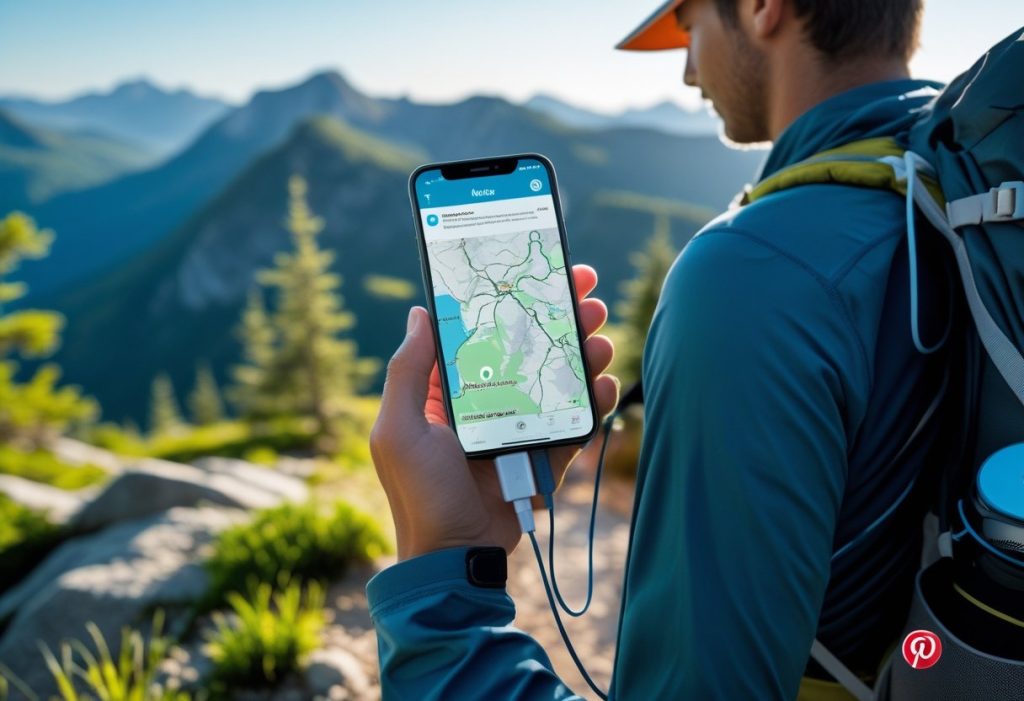
Smartphones and Apps
Modern smartphones can be valuable hiking tools when used wisely:
- Navigation apps with offline maps
- Weather apps with real-time updates
- Flora and fauna identification apps
- Emergency communication capabilities (where service exists)
Remember that batteries drain quickly in cold weather or when searching for signal. Carry a portable power bank and keep your phone in airplane mode to conserve battery when not actively using it. Hiking Outfits and Gear Guide
Wearable Technology
Fitness trackers and smartwatches can monitor your heart rate, track distance and elevation, and even provide basic navigation. Some models include altimeters, barometers, and compasses. While helpful, these should supplement—not replace—traditional navigation tools.
Photography Gear
Capturing your hiking memories is part of the experience. Whether using a smartphone or dedicated camera, consider:
- Lightweight tripod or mini-pod for stable shots
- Protective case or bag for your device
- Extra memory cards and batteries
- Lens cleaning cloth
Remember to occasionally put the camera away and simply enjoy the scenery with your own eyes.
Sustainability and Leave No Trace
Eco-Friendly Gear Choices
As outdoor enthusiasts, we have a responsibility to minimize our environmental impact. Consider:
- Choosing gear made from recycled or sustainable materials
- Supporting companies with ethical manufacturing practices
- Repairing gear rather than replacing it
- Properly disposing of worn-out equipment
At OutfitAura.pro, we prioritize sustainable products and provide information on proper gear maintenance to extend the life of your equipment. Hiking Outfits and Gear Guide
Leave No Trace Principles
Practice these seven principles on every hike:
- Plan ahead and prepare
- Travel and camp on durable surfaces
- Dispose of waste properly
- Leave what you find
- Minimize campfire impacts
- Respect wildlife
- Be considerate of other visitors
By following these guidelines, we help preserve natural spaces for future generations of hikers. Hiking Outfits and Gear Guide
Gear Maintenance and Longevity
Proper Cleaning and Storage
Extend the life of your hiking gear with proper care:
- Follow manufacturer instructions for cleaning technical fabrics
- Use technical detergents that preserve water repellency
- Air dry gear away from direct sunlight
- Store items clean and completely dry in a cool, dry place
- Reapply DWR (Durable Water Repellent) treatments as needed
Regular Inspections and Repairs
Before each hiking season, inspect all your gear:
- Check footwear for worn soles or separation
- Test zippers and seams on clothing and packs
- Inspect trekking poles for cracks or loose components
- Check sleeping bags and tents for holes or degraded waterproofing
Learn basic repair skills like seam sealing, patching, and replacing buckles. Many outdoor retailers offer repair services for more complex fixes. Hiking Outfits and Gear Guide
Building Your Hiking Wardrobe Over Time
Starting with Essentials
If you’re new to hiking, begin with the essentials:
- Proper footwear
- Moisture-wicking base layers
- Weather-appropriate outer layer
- Daypack
- Navigation tools
- Basic first aid kit
You don’t need the most expensive gear to get started. Focus on functionality and fit rather than brand names. Hiking Outfits and Gear Guide
Investing in Quality Pieces
As you hike more frequently, consider investing in higher-quality items for components that impact comfort and safety:
- Footwear that fits perfectly
- Weather protection layers for your most common conditions
- Backpack with a proper fit for your body
- Four-season tent if you plan to camp in various conditions
Quality gear often lasts longer and performs better, making it a worthwhile investment for frequent hikers.
Specialized Gear for Advanced Adventures
As your hiking ambitions grow, you may need specialized equipment:
- Mountaineering boots and crampons for glacier travel
- Technical clothing systems for extreme weather
- Satellite communicators for remote areas
- Lightweight gear for thru-hiking
Rent or borrow specialized gear for occasional use before making significant investments.
Frequently Asked Questions (FAQs)
Q: How much should I spend on my first pair of hiking boots?
A: Expect to invest $100-$200 for a quality pair that will last. Proper fit is more important than price—visit a specialty store for professional fitting.
Q: Can I wear cotton on short, easy hikes in warm weather?
A: We recommend avoiding cotton even on short hikes. Cotton retains moisture, which can lead to chafing, blisters, and in cooler conditions, potentially dangerous heat loss.
Q: How often should I replace my hiking boots?
A: Most hiking boots last 500-1000 miles depending on terrain, care, and construction. Replace them when the tread is significantly worn, the midsole feels compressed, or waterproofing fails.
Q: Do I need different gear for day hikes vs. overnight trips?
A: Yes. Overnight trips require additional gear including shelter, sleep system, cooking equipment, and more food and water capacity. Start with day hiking and gradually acquire backpacking gear as you progress.
Q: How can I test gear before buying?
A: Many outdoor retailers offer rental programs, especially for higher-priced items like backpacks and tents. Some also have generous return policies for unused items. REI, for example, offers a one-year return policy for members.
Q: What’s the most common hiking gear mistake beginners make?
A: Overpacking is the most frequent error. Beginners often carry unnecessary “just in case” items that add weight. With experience, you’ll learn what’s essential for your specific hikes.
Q: How do I choose between down and synthetic insulation?
A: Down offers better warmth-to-weight ratio and compressibility but performs poorly when wet. Synthetic insulation is bulkier but maintains warmth when damp and dries faster. Choose based on your typical hiking conditions.
Q: Are expensive hiking clothes worth the investment?
A: Higher-priced gear often uses better materials and construction, offering improved performance, durability, and features. However, mid-range options from reputable brands often provide excellent value for most hikers.
Q: How can I make my gear last longer?
A: Follow care instructions, store items properly, make timely repairs, and use gear for its intended purpose. Regular maintenance like reapplying waterproofing treatments can significantly extend gear life.
Q: What should I do with old hiking gear I no longer use?
A: Consider donating usable gear to outdoor programs, selling it through used gear platforms, or recycling it through manufacturer take-back programs if available. Hiking Outfits and Gear Guide
Conclusion: Your Journey Starts Here
Building your hiking outfit and gear collection is a personal journey that evolves with your experience and adventures. The right equipment enhances your connection to nature while keeping you safe and comfortable. Remember that the most expensive gear isn’t necessarily the best—what matters most is how well it fits your body, meets your specific needs, and suits the environments you’ll explore. Hiking Outfits and Gear Guide
At OutfitAura.pro, we’re committed to helping you find that perfect balance between functionality, comfort, and style. Whether you’re preparing for your first local trail or planning an epic thru-hike, we offer carefully curated gear selections, expert advice, and resources to support your outdoor journey. Hiking Outfits and Gear Guide
The trail awaits—equip yourself wisely, respect the natural world, and create memories that will last a lifetime. Happy hiking from all of us at OutfitAura.pro!
For more detailed gear reviews, seasonal packing lists, and hiking preparation guides, explore our website at OutfitAura.pro. Follow us on social media for daily hiking tips, community stories, and exclusive offers on quality outdoor gear. Hiking Outfits and Gear Guide