OutfitAura.pro – Your Ultimate Destination for Ski Fashion and Function
Introduction to Ski Fashion and Performance
womens ski outfit guide Skiing isn’t just about navigating slopes—it’s an experience where performance meets style. The right ski outfit can elevate your confidence, enhance your performance, and ensure you stay comfortable in challenging mountain conditions. At OutfitAura.pro, we believe every woman deserves to feel both empowered and stylish on the slopes.
Gone are the days when ski wear was purely functional and uninspired. Today’s market offers incredible options that combine cutting-edge technology with fashion-forward designs. Whether you’re a beginner hitting the bunny slopes or an expert tackling black diamonds, your outfit plays a crucial role in your overall skiing experience. womens ski outfit guide
In this comprehensive guide, we’ll explore everything from base layers to outerwear, accessories to après-ski style, helping you curate the perfect ski wardrobe that reflects your personal style while delivering maximum performance. womens ski outfit guide
Introduction to Ski Fashion and Performance (Optimized)
Skiing isn’t just about navigating slopes—it’s an experience where performance meets style. The right ski outfit can boost confidence, improve movement, and keep you comfortable in harsh mountain conditions.
At OutfitAura.pro, we believe every woman deserves to feel both empowered and stylish on the slopes. Modern ski fashion proves that functionality and style can work beautifully together.
Today’s ski wear combines advanced technology with fashion-forward designs. Whether you’re a beginner or an expert skier, what you wear directly impacts your comfort, safety, and overall experience.
This womens ski outfit guide covers everything from base layers to outerwear, accessories, and après-ski style. It helps you build a sk
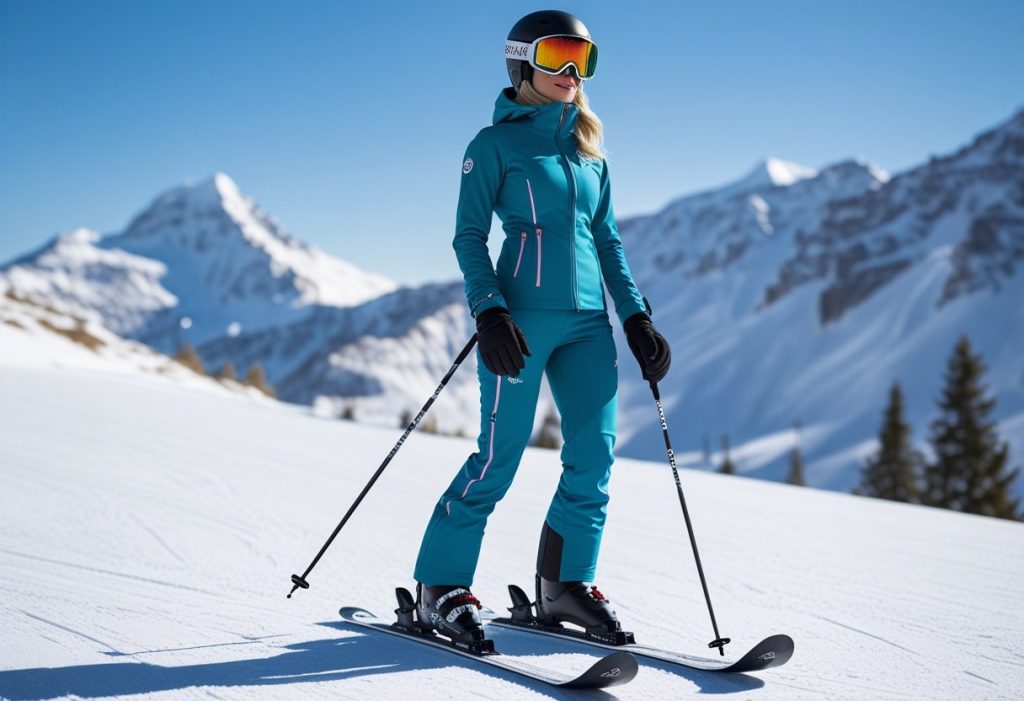
The Foundation: Base Layers Matter Most
Your ski outfit begins with what’s closest to your skin. Base layers are the unsung heroes of ski apparel, responsible for moisture-wicking, temperature regulation, and overall comfort throughout your day on the mountain. womens ski outfit guide
Technical Fabrics for Optimal Performance
Modern base layers utilize advanced fabrics like merino wool blends, synthetic polyester mixes, and innovative hybrid materials. Merino wool offers excellent natural temperature regulation and odor resistance, while synthetic materials often provide superior moisture-wicking capabilities. For the best of both worlds, consider blended fabrics that combine these benefits.
At OutfitAura.pro, we recommend selecting base layers based on anticipated conditions. Lightweight options work well for spring skiing or warmer climates, while midweight to heavyweight options are essential for colder destinations. Remember, proper layering starts with a quality base that fits snugly without restricting movement. womens ski outfit guide
Style Considerations for Base Layers
While functionality comes first, base layers have evolved to include stylish elements. From flattering cuts to beautiful prints and colors, your base layer can express your personality even before you add outer layers. Consider complementing or contrasting colors that will peek through your outfit strategically.
Mid-Layers: The Insulating Core
Mid-layers provide crucial insulation, trapping body heat while allowing moisture to escape. The right mid-layer adapts to changing conditions and activity levels throughout your ski day. womens ski outfit guide
Fleece, Down, and Synthetic Options
Fleece remains a popular choice for its warmth-to-weight ratio and breathability. Modern fleece comes in various weights and often includes stretch for enhanced mobility. Down insulation offers unparalleled warmth for its weight but can lose insulating properties when wet. Synthetic insulated jackets and vests provide reliable warmth even in damp conditions, making them versatile choices for variable mountain weather.
For maximum versatility, consider a modular approach with multiple mid-layer options that you can mix and match based on temperature and activity level. A thinner fleece combined with a synthetic insulated vest offers adaptable warmth that’s easy to adjust throughout the day. womens ski outfit guide
Fashion-Forward Mid-Layer Designs
Today’s mid-layers transcend basic functionality with tailored fits, feminine details, and fashion-conscious designs. Look for pieces that transition seamlessly from slope to lodge, with details like flattering silhouettes, stylish zippers, and attractive color blocking. At OutfitAura.pro, we curate collections that balance technical performance with contemporary style. womens ski outfit guide
Outerwear: Your First Line of Defense
Ski jackets and pants form your primary defense against snow, wind, and cold. The right outerwear combines waterproofing, breathability, and durability with style that makes you feel confident on the mountain. womens ski outfit guide
Jacket Technology and Features
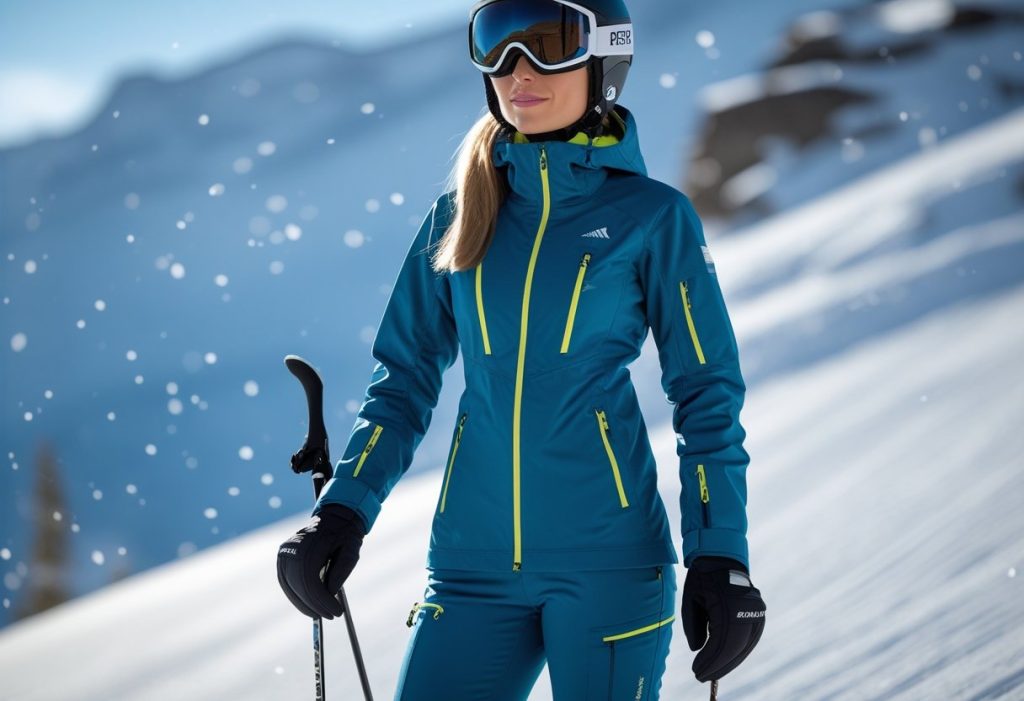
Modern ski jackets incorporate advanced waterproofing technologies like Gore-Tex, HyVent, or DryVent, with ratings measured in millimeters (typically 10,000mm to 20,000mm for adequate protection). Breathability ratings are equally important to prevent overheating during active skiing.
Key features to consider include:
- Ventilation zippers for temperature regulation
- Powder skirts to prevent snow entry
- Helmet-compatible hoods
- Multiple pockets for essentials
- RECCO reflectors for safety
- Articulated sleeves for enhanced mobility
Pants and Bibs: Function Meets Fashion
Ski pants have evolved from purely functional garments to style statements. Choose between traditional pants or bib-style options that offer increased coverage and warmth. Look for reinforced areas at stress points, gaiters to keep snow out of boots, and adjustable waistbands for personalized fit. womens ski outfit guide
Color and pattern choices have expanded dramatically in recent years. While classic neutrals remain popular, bold colors, artistic prints, and two-tone designs allow for greater personal expression. Consider how your jacket and pants coordinate—matching sets create a cohesive look, while complementary colors offer versatility. womens ski outfit guide
Insulated vs. Shell Systems
The choice between insulated outerwear and shell systems depends on your skiing style and conditions. Insulated jackets and pants provide built-in warmth ideal for consistently cold conditions. Shell systems offer maximum versatility, allowing you to customize your insulation layers based on daily conditions—perfect for variable climates or different activity levels throughout your ski trip. womens ski outfit guide
Accessories: The Details That Complete Your Outfit
No ski outfit is complete without carefully chosen accessories that provide protection, enhance performance, and add style accents.
Headwear: Helmets, Goggles, and Beanies
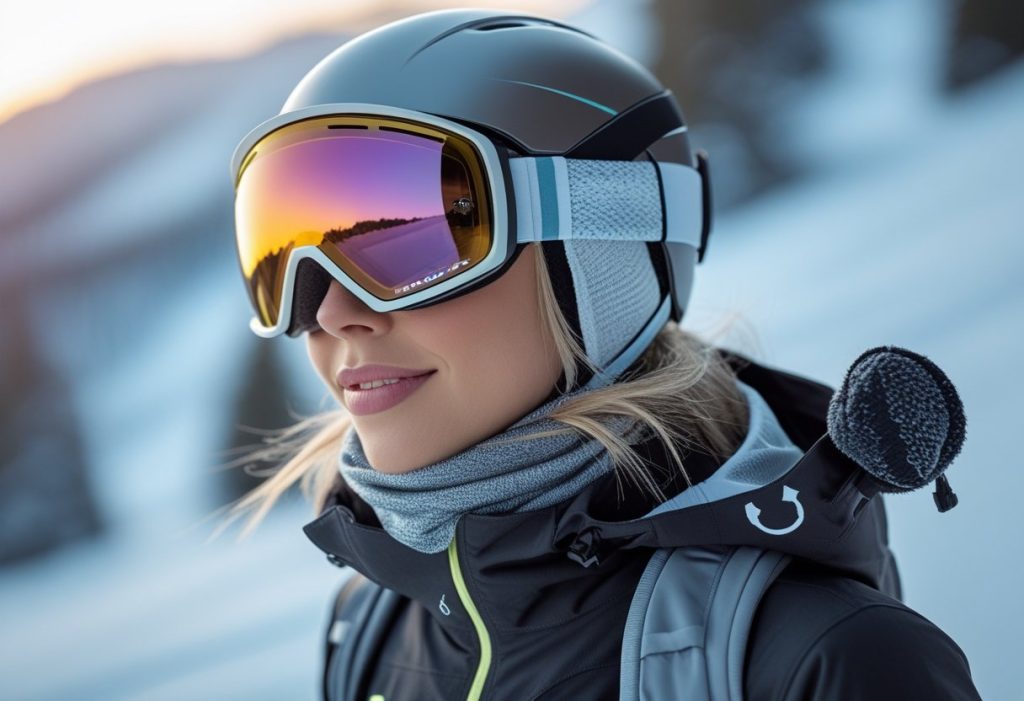
Modern ski helmets combine safety with comfort and style. Look for MIPS technology for enhanced protection, along with ventilation controls and audio compatibility. Goggles should offer appropriate lens tints for your typical conditions, with options for interchangeable lenses for maximum versatility. Don’t forget a stylish beanie for après-ski or warmer days when a full helmet isn’t necessary. womens ski outfit guide
Hand Protection: Gloves and Mittens
Your hands face some of the harshest conditions on the mountain. Choose between gloves (better dexterity) and mittens (warmer) based on your needs and local conditions. Look for waterproofing, insulation appropriate to your climate, and features like touchscreen compatibility and wrist leashes. womens ski outfit guide
Neck Gaiters and Face Masks
Essential for protecting against windburn and cold, neck gaiters have become style accessories in their own right. From simple tubes to balaclavas with multiple wearing options, choose materials that balance warmth with breathability. Many feature fun prints or patterns that add personality to your outfit. womens ski outfit guide
Socks: The Foundation of Foot Comfort
Ski-specific socks provide cushioning in key areas while maintaining proper boot fit. Look for materials that wick moisture effectively and appropriate thickness for your boots. Avoid cotton socks, which retain moisture and can lead to cold feet. womens ski outfit guide
Footwear: Ski Boots That Fit and Perform
Ski boots represent one of the most important equipment investments, directly impacting your control, comfort, and enjoyment on the slopes.
Finding the Perfect Fit
Proper boot fitting is essential—consider consulting a professional boot fitter who can assess your foot shape and skiing style. Modern boots offer heat-moldable liners and customizable adjustments for personalized comfort. Remember that ski boots should feel snug but not painfully tight, with your toes lightly touching the front when standing upright. womens ski outfit guide
Style Considerations in Boot Design
While performance comes first, boot manufacturers now offer aesthetic options with various color combinations and graphic designs that can complement your overall outfit. Some brands even offer customizable shells or liners for a truly personalized look. womens ski outfit guide
Après-Ski: Transitioning From Slope to Lodge
Your ski outfit considerations shouldn’t end when you leave the slopes. Thoughtful planning ensures you have appropriate attire for après-ski activities while maintaining your personal style. womens ski outfit guide
Versatile Pieces That Transition
Many modern ski pieces bridge the gap between technical performance and casual style. Consider insulated vests that layer beautifully over sweaters, or stylish ski pants that don’t look out of place in the lodge. Waterproof boots with casual styling can take you from last run to evening gatherings without needing a complete change. womens ski outfit guide
Packing Smart for Ski Trips
When planning your ski trip wardrobe, think in terms of layers that can be mixed and matched. Include cozy sweaters, comfortable pants, and stylish yet warm footwear for evenings. Don’t forget swimwear if your resort has hot tubs or spa facilities—a surprising but essential item for many ski vacations. womens ski outfit guide
Sustainability in Ski Fashion
As environmental consciousness grows, sustainable options in ski wear have expanded significantly. Many brands now prioritize eco-friendly practices, from recycled materials to responsible manufacturing processes. womens ski outfit guide
Eco-Friendly Materials and Practices
Look for outerwear made from recycled polyester or nylon, PFC-free waterproofing treatments, and responsibly sourced insulation. Some brands offer repair programs to extend garment life or recycling initiatives for end-of-life products. At OutfitAura.pro, we highlight sustainable options that don’t compromise on performance or style. womens ski outfit guide
Investing in Quality and Longevity
The most sustainable approach often involves investing in high-quality pieces that will last multiple seasons. Look for durable construction, timeless designs that won’t feel dated quickly, and versatile colors that coordinate with multiple outfits. womens ski outfit guide
Seasonal Considerations and Trends
Ski fashion evolves each season with new technologies, materials, and aesthetic directions. Staying informed about current trends helps you make choices that feel fresh while serving practical needs. womens ski outfit guide
Color Trends and Palettes
Each season brings new color stories to the slopes. Recent trends have included everything from bold neons to sophisticated earth tones and artistic prints. Consider what colors make you feel confident and how they coordinate with existing pieces in your wardrobe.
Technological Advancements
Stay informed about fabric innovations, like more breathable yet waterproof membranes, lighter yet warmer insulation, and smart textiles that can regulate temperature. These advancements often translate to improved comfort and performance on the mountain.
isi blog k 2 paragraphs or do eng mein
Ski Fashion Through the Seasons: Adapting Your Outfits to Changing Mountain Conditions
The mountain environment is dynamic, and your ski outfit should adapt accordingly. Spring skiing presents unique challenges and opportunities, with softer snow, longer days, and stronger sun. For these conditions, shift to lighter layers—consider a moisture-wicking base layer paired with a breathable mid-layer fleece and a waterproof shell jacket instead of heavily insulated outerwear. Ventilation becomes crucial; look for jackets and pants with strategic underarm zips and mesh-lined vents. womens ski outfit guide
Since UV radiation intensifies at altitude, incorporate sun protection into your outfit: opt for goggles with darker, polarized lenses, wear a neck gaiter with UPF rating, and don’t forget sunscreen on exposed skin. Bright, cheerful colors and patterns often feel appropriate for spring, mirroring the lighter mood of the season. Conversely, for deep winter and frigid conditions, your layering strategy must prioritize core warmth. Start with a midweight merino wool base layer, add an insulated down or synthetic vest as a mid-layer, and top it with a high-performance insulated jacket rated for extreme cold.
Don’t neglect your extremities—insulated mittens (often warmer than gloves), a thermal balaclava under your helmet, and heavyweight wool socks are essential. Darker, heat-absorbing colors can be practical in very cold weather, while reflective details enhance visibility during shorter days and flat light. At OutfitAura.pro, our seasonal guides help you select the right technical fabrics and smart features to stay comfortable and stylish, no matter what the forecast holds. womens ski outfit guide
Building Your Perfect Ski Wardrobe
Creating a functional yet stylish ski wardrobe is a process that can evolve over multiple seasons. Start with essentials, then add specialty pieces as your skiing progresses and your style preferences crystallize. womens ski outfit guide
Essential Pieces for Beginners
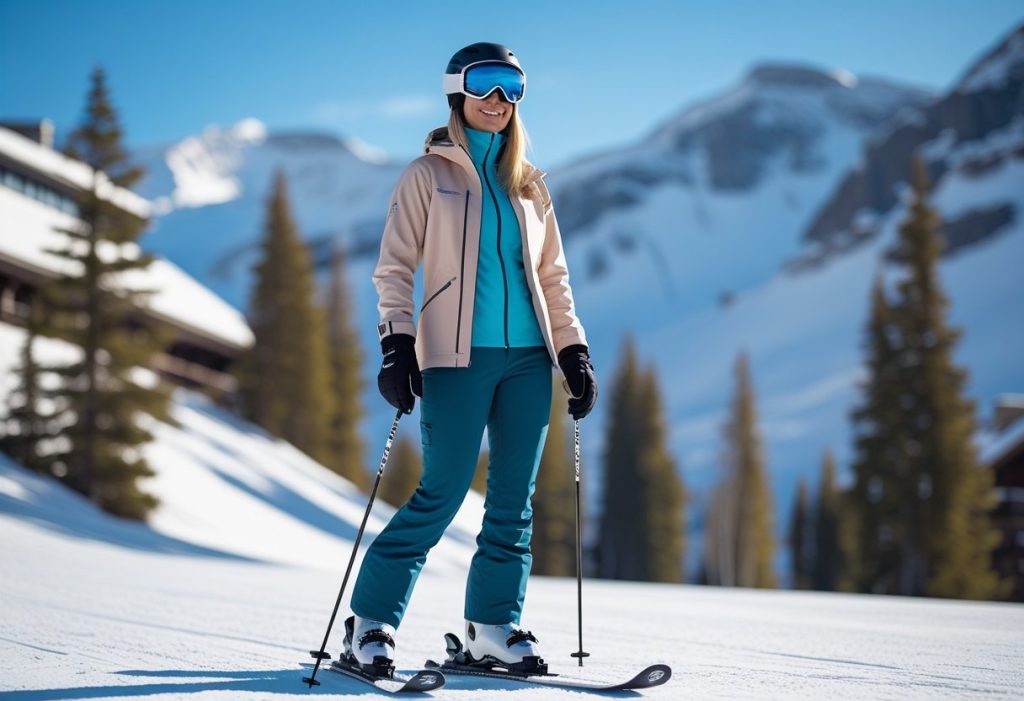
If you’re new to skiing or building your first ski wardrobe, focus on:
- Quality base layers (top and bottom)
- A versatile mid-layer fleece or jacket
- Waterproof ski pants
- A waterproof, breathable ski jacket
- Essential accessories (gloves, goggles, neck gaiter)
- Proper ski socks
Advanced Additions for Experienced Skiers
As your skiing advances and your days on the mountain increase, consider adding:
- Multiple mid-layer options for different conditions
- A shell system for maximum versatility
- Specialized pieces like insulated bib pants for deep powder days
- Multiple goggle lenses for varying light conditions
- Technical layers for high-output skiing
Care and Maintenance of Ski Apparel
Proper care extends the life and performance of your ski investment. Follow manufacturer instructions carefully, paying special attention to waterproofing treatments and delicate fabrics. womens ski outfit guide
Washing and Drying Techniques
Most technical ski wear requires special care to maintain water-repellency and breathability. Use technical detergents designed for performance fabrics, avoid fabric softeners, and consider periodic reapplication of DWR (Durable Water Repellent) treatments. Proper drying (often line drying or low-heat tumble drying) preserves garment integrity. womens ski outfit guide
Off-Season Storage
Store your ski apparel clean and completely dry to prevent mildew. Avoid compressing insulated items for extended periods, which can reduce loft and insulating properties. Consider breathable storage bags rather than plastic containers. womens ski outfit guide
Frequently Asked Questions About Women’s Ski Outfits
What’s the most important piece of ski clothing to invest in?
While all components matter, your ski jacket and pants are crucial investments since they provide primary protection against the elements. Look for quality waterproofing, breathability, and durable construction that will last multiple seasons.
How many base layers should I wear?
Typically, one well-chosen base layer is sufficient. The key is selecting the appropriate weight for conditions rather than layering multiple thin pieces. In extreme cold, some skiers add a very thin silk or synthetic layer beneath their primary base layer.
Can I wear regular winter clothes for skiing?
Regular winter clothes generally lack the waterproofing, breathability, and mobility features necessary for skiing. Cotton, in particular, absorbs moisture and loses insulating properties when wet, making it potentially dangerous in cold conditions.
How should ski pants fit compared to regular pants?
Ski pants should fit comfortably over your base layers without being excessively baggy. Look for articulated knees and a slightly roomier fit than everyday pants to allow for movement and additional layers. Bib-style pants offer more coverage and often prevent the “gap” issue when bending.
Are expensive ski brands worth the investment?
Higher-priced brands often offer better technology, durability, and fit. However, mid-range brands frequently provide excellent value with good performance characteristics. Consider your skiing frequency and conditions when determining your investment level.
How do I choose the right goggle lens color?
Lens choice depends on light conditions:
- Low-light or stormy days: Rose, yellow, or clear lenses
- Mixed conditions: Versatile lenses with VLT (Visible Light Transmission) around 40-60%
- Bright sunny days: Darker lenses with mirror coatings
What should I wear for spring skiing?
Spring conditions call for lighter layers, increased sun protection, and versatile pieces. Consider shell systems with removable liners, lighter-weight base layers, and goggles with lenses appropriate for brighter conditions.
How can I make my ski outfit more stylish?
Incorporate color coordination, interesting textures, and accessories that reflect your personality. Many brands now offer technical pieces with fashion-forward designs, allowing you to express personal style without sacrificing performance.
Is it better to buy a matching jacket and pants set?
Matching sets create a cohesive look and often ensure color coordination, but mixing and matching offers more wardrobe versatility. Many brands design their collections to coordinate across pieces, allowing for successful mixing.
How often should I replace my ski clothing?
With proper care, quality ski clothing can last 5-10 years. Replacement becomes necessary when waterproofing fails, insulation compresses significantly, or zippers/other components fail. Technological advancements might motivate earlier updates for performance improvements.
Conclusion: Your Personal Slope Style Journey
Creating your perfect ski outfit is a balance of technical requirements, comfort needs, and personal expression. At OutfitAura.pro, we’re passionate about helping women find ski wear that performs flawlessly on the mountain while reflecting their unique style.
Remember that the best ski outfit is one that makes you feel confident, comfortable, and ready to enjoy every moment on the snow. Whether you prefer bold colors that stand out against the white landscape or sophisticated neutrals that offer maximum versatility, your choices should enhance your experience and reflect who you are.
As you build your ski wardrobe, consider not just individual pieces but how they work together as a system. Versatile layers, coordinated colors, and attention to detail will ensure you’re prepared for whatever the mountain delivers—from first tracks to last call at the lodge.
Visit OutfitAura.pro for curated collections, detailed product information, and expert advice to guide your ski outfit selections. Our commitment is to help you find gear that elevates your mountain experience through superior performance and authentic style.