Welcome to OutfitAura.pro, your ultimate destination for curated style and performance advice. As winter’s chill sets in and mountains call, the right snowboard outfit isn’t just about looking good—it’s about staying warm, dry, and protected while you carve through fresh powder. Whether you’re a seasoned rider or hitting the slopes for the first time, this comprehensive 3000-word guide will walk you through every layer, accessory, and consideration for the perfect snowboarding ensemble.
Introduction: Why the Right Snowboard Outfit Matters
Snowboarding is an exhilarating sport that combines athleticism with the raw beauty of nature. However, mountain weather is notoriously unpredictable. One moment you’re basking in sunshine, the next you’re battling biting winds and snowfall. Your outfit is your first line of defense. Beyond protection, your gear impacts your mobility, comfort, and ultimately, your performance. At OutfitAura.pro, we believe that technical functionality and personal style should coexist seamlessly. The right outfit boosts confidence, allowing you to focus entirely on the ride.
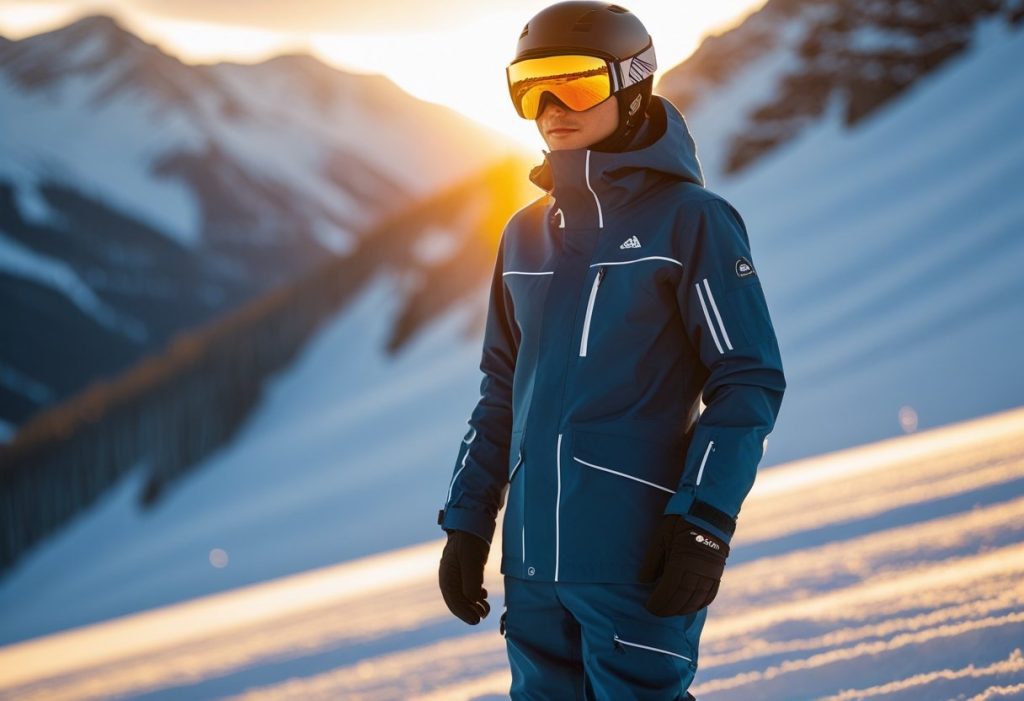
Section 1: The Layering System – Your Technical Foundation
The cornerstone of any snowboard outfit is the layering system. This three-tiered approach allows you to adapt to changing conditions and activity levels throughout the day.
Base Layer: Your Second Skin
The base layer sits directly against your skin. Its primary job is moisture management—wicking sweat away to keep you dry and regulate body temperature.
- Material Matters: Avoid cotton at all costs, as it retains moisture. Opt for merino wool (excellent for temperature regulation and odor resistance) or synthetic fabrics like polyester (great for wicking and quick drying). For more insights on material performance, check out our detailed guide on technical fabrics on OutfitAura.pro.
- Fit: Should be snug but not restrictive. A proper fit ensures efficient moisture transfer.
Mid Layer: The Insulation
This layer traps body heat to keep you warm. Your choice here depends on the day’s temperature and your personal cold tolerance.
- Fleece Jackets: Lightweight, breathable, and excellent for active riders on milder days.
- Down or Synthetic Insulated Jackets: Provide superior warmth for very cold or less strenuous days. Synthetic insulation retains heat better when wet compared to down.
Outer Layer (Shell): The Shield
Your jacket and pants form the outer shell, protecting you from wind, snow, and rain. Look for these key features:
- Waterproof & Breathability Ratings: Measured in millimeters (e.g., 10k/10k). A higher number means better protection. For resort riding, 10k-15k is often sufficient.
- Sealed Seams: Critical for preventing water leakage through stitch holes.
- Venting: Pit zips on jackets and leg zips on pants are invaluable for dumping heat on warmer spring days or during hike-to terrain access.
Section 2: Building Your Core Outfit – Jackets and Pants
Choosing the Right Snowboard Jacket
Your jacket is the centerpiece. Beyond technical specs, consider style and functionality.
- Fit & Style: Standard fit allows for layering. Slim fit offers a more modern look but limits layering options. Consider a longer cut (“powder skirt” included) to keep snow out during deep runs.
- Powder Skirt: A must-have internal waist skirt that connects to your pants to seal out snow.
- Hood: Ensure it’s helmet-compatible and adjustable.
- Pockets: Look for a secure goggle pocket, media pocket with a port for headphones, and plenty of stash space for lift passes, snacks, and more.
Selecting the Perfect Snowboard Pants
Pants take a beating, from sitting on snow to high-impact falls.
- Bib vs. Waist Pants: Bibs (overalls) are fantastic for deep powder days as they prevent snow from getting down your back. They also often feel warmer. Waist pants are simpler and may be more comfortable for park riders or in milder conditions.
- Reinforcements: Look for reinforced cuffs and seat/knee areas for extra durability.
- Venting: As with jackets, thigh vents are a game-changer for temperature control.
For a curated selection of high-performance jackets and pants that balance tech with aesthetics, explore our Snow Outerwear Collection at OutfitAura.pro.
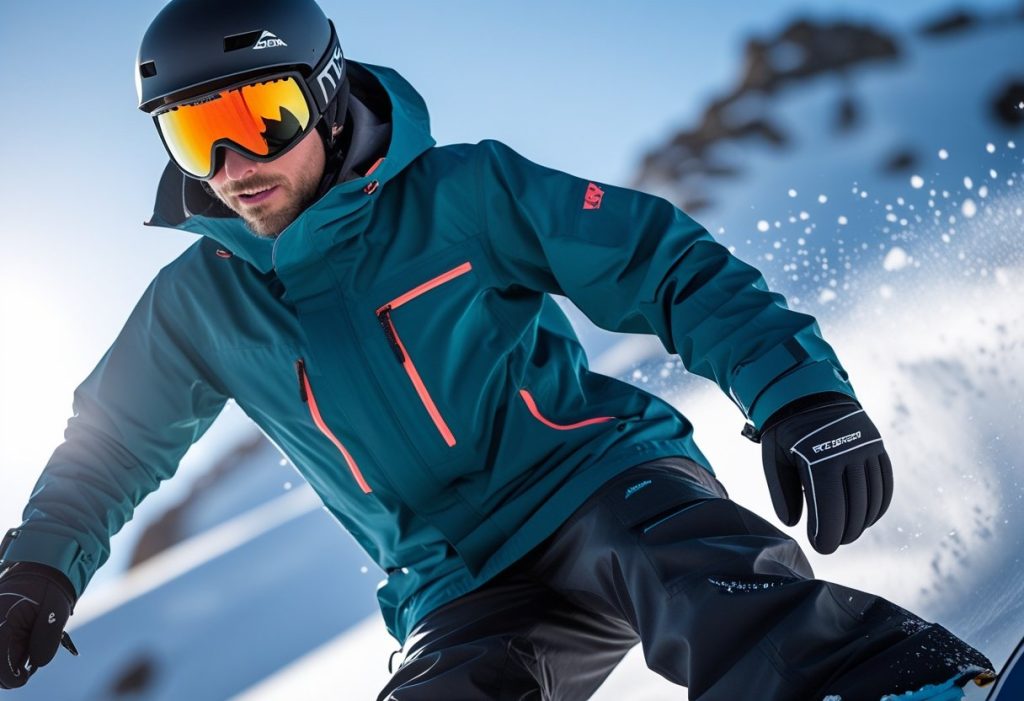
Section 3: Essential Accessories – The Devil is in the Details
No outfit is complete without the supporting cast of accessories. These items are crucial for safety, comfort, and performance.
Helmets: Non-Negotiable Protection
Modern snowboard helmets are lightweight, well-ventilated, and packed with features.
- Fit: Must be snug. Try it on with your beanie for an accurate fit.
- Safety Certifications: Look for ASTM F2040 or CE EN 1077 labels.
- Features: Many now integrate audio systems, BOA fit adjustments, and MIPS technology (Multi-directional Impact Protection System) for reduced rotational force on the brain during impacts. We strongly recommend reading our partner article on helmet safety technology evolution for an in-depth look.
Goggles: Your Window to the Mountain
Goggles protect your eyes from UV rays, wind, and impact while ensuring visibility in all conditions.
- Lens Technology: Prioritize dual-lens designs to prevent fogging. Photochromic lenses adjust to light conditions automatically, while interchangeable lens systems let you swap for optimal visibility (e.g., a dark lens for sunny days, a yellow/rose lens for flat light).
- Fit: Must integrate seamlessly with your helmet. No gap should exist between the goggle strap and the helmet.
Gloves or Mittens: Keeping Fingers Functional
Cold hands ruin a day quickly.
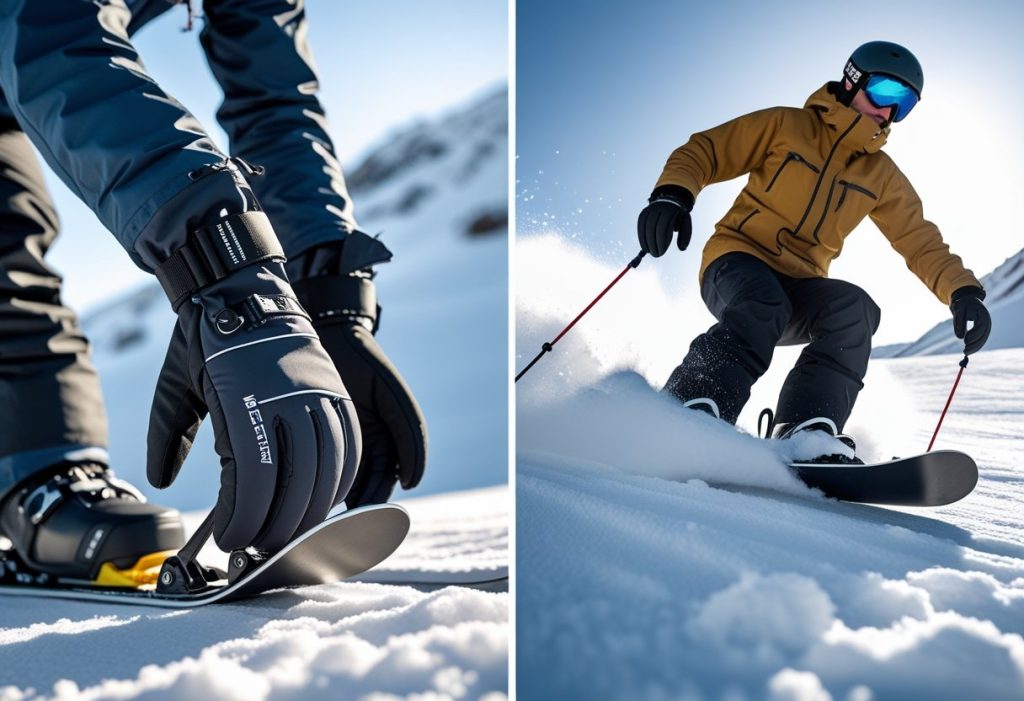
- Mittens vs. Gloves: Mittens keep fingers together, generating more heat—ideal for those who get cold easily. Gloves offer more dexterity for adjusting bindings, using a phone, etc.
- Key Features: Look for waterproof membranes (e.g., Gore-Tex), wrist leashes to prevent loss, and touchscreen-compatible fingertips.
Face Protection: Balaclavas and Neck Gaiters
Essential for shielding your face from windburn and frostbite. Merino wool or synthetic blends work best. A balaclava offers full head and neck coverage, while a neck gaiter (tube) is versatile and easy to pull up or down. Snowboard Outfit
Section 4: Footwear and Socks – The Connection Point
Your boots are your direct link to your board. Their performance is paramount.
Snowboard Boots: Fit is Everything
Invest time in getting the right boot. Professional fitting is recommended.
- Types: Soft boots are the standard for most freestyle and all-mountain riding. Hard boots are used primarily for alpine/carving.
- Closure Systems: Traditional laces offer customizable tightness. Speed lacing systems are quicker. BOA dial systems provide micro-adjustability and are easy to use with cold hands.
- Flex: Stiffer boots offer more response for aggressive riding. Softer boots are more forgiving and comfortable for beginners and park riders.
Socks: The Unsung Hero
Never wear cotton socks. Use thin, moisture-wicking snowboard-specific socks made of merino wool or synthetic blends. They should reach just below the knee to protect your shins from boot pressure.
Section 5: Styling Your Snowboard Outfit – Express Yourself
Performance doesn’t mean sacrificing style. Your outfit is a reflection of your personality on the mountain.
- Color & Patterns: Gone are the days of only wearing black. Bright colors increase visibility in whiteout conditions. From bold solids to artistic prints and camo, your options are vast.
- Coordinated Sets: Many brands offer jacket and pants designed to work together visually and technically.
- The “Après” Layer: Consider a stylish, warm layer for post-riding socializing. A premium wool sweater or a branded puffer vest can complete your look off the slopes.
Discover how to blend performance with personal expression in our style-focused article, Mountain to Lodge: Snowboard Style Curation. Snowboard Outfit
Section 6: Seasonal and Terrain Considerations
Your location and riding style should influence your outfit choices.
- Deep Winter/Cold Resorts: Prioritize maximum insulation. Use a heavyweight base layer, an insulated mid-layer, and a high-rated waterproof shell. Mittens and a full balaclava are key.
- Spring Riding: The sun is strong, and temperatures fluctuate. Layering is crucial. A lightweight base layer, a thin fleece, and a highly breathable shell with ample venting will serve you well. Don’t skimp on sunscreen and a high-quality sunglass lens for your goggles.
- Backcountry/Sidecountry: Requires a more versatile and safety-oriented approach. Always carry an avalanche beacon, probe, and shovel (and know how to use them). Your clothing system must handle intense uphill exertion followed by cold descents.
- Terrain Park: Durability is paramount. Look for reinforced pants and jackets in high-abrasion areas. A well-fitting helmet is non-negotiable. Snowboard Outfit
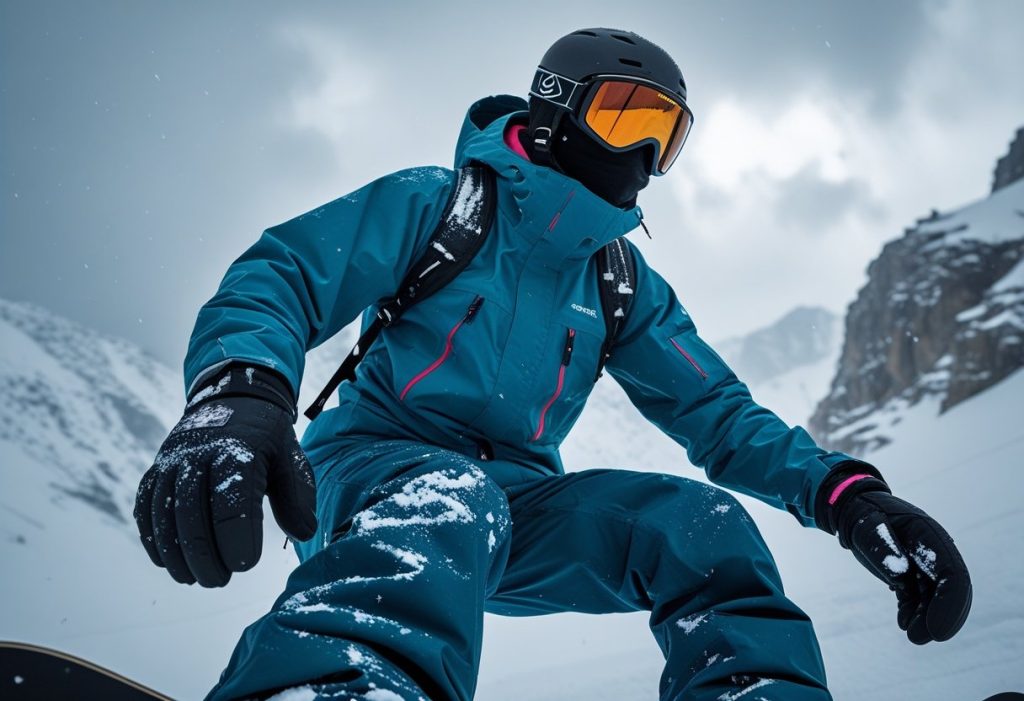
Section 7: Caring for Your Gear – Maximize Lifespan and Performance
Proper care ensures your investment lasts seasons longer and performs as intended. Snowboard Outfit
- Washing: Use technical detergent (like Nikwax Tech Wash) to clean without damaging waterproof coatings. Avoid fabric softeners.
- DWR Replenishment: The Durable Water Repellent (DWR) coating on your outer shell wears off. Reapply with a spray-on or wash-in product (like Nikwax TX.Direct) to restore beading.
- Drying: Air dry is best. Tumble dry on low heat only if the care label permits, as it can help reactivate DWR.
- Storage: Store all gear clean and completely dry in a cool, ventilated space—never compressed in a stuff sack for long periods.
For step-by-step care instructions, visit our Gear Maintenance Guide. Snowboard Outfit
Snowboard Outfit Essentials:
When selecting your color palette, consider functionality alongside flair. While bright neon colors and bold patterns are a staple of mountain fashion and aid in visibility during stormy conditions, they can also fade faster under intense UV exposure at high altitudes. Darker tones, on the other hand, may show wear less visibly but absorb more heat on sunny spring days. Many riders opt for a versatile mix—a darker, durable pant paired with a vibrant, technical jacket. At OutfitAura.pro, we emphasize that your outfit’s color story should be a personal expression of your riding identity, whether you prefer minimalist earth tones or eye-catching, graphic prints that stand out against the snowy backdrop. Snowboard Outfit
The importance of proper ventilation cannot be overstated, especially for riders who push their limits. Modern high-performance outerwear comes equipped with strategic venting zones, typically under the arms (pit zips) and along the thighs. These are not mere afterthoughts; they are essential thermoregulation tools. Opening them during a strenuous hike to a backcountry drop-in or while navigating a busy lift line on a sunny day can prevent overheating and excessive sweating, which is crucial because a damp base layer is the fastest route to feeling chilled once you start descending again. Snowboard Outfit
Let’s talk about pockets—the unsung organizers of your mountain day. A well-designed snowboard jacket is a marvel of storage logistics. Beyond the standard hand-warmer pockets, look for a dedicated, fleece-lined goggle pocket to keep lenses dry and frost-free, a secure internal pocket for a wallet and keys, and a sleeve or chest pocket with a clear sleeve or a port for your lift pass. Some jackets even feature a specialized media pocket with a headphone port and soft material to protect your phone’s screen. This intelligent organization means less time fumbling in the cold and more time riding. Snowboard Outfit
For the park and freestyle enthusiast, durability is the defining characteristic of an outfit. Knees, seat, and cuffs endure constant contact with rails, boxes, and snow. Look for pants and jackets with reinforced panels made from high-denier nylon or Cordura in these high-abrasion areas. Additionally, a slightly looser fit in the pants can facilitate greater freedom of movement for spins and tricks. Remember, the best park outfit is one that can withstand repeated impacts without compromising on the flexibility needed to stomp your next landing. Snowboard Outfit
Your choice of insulation has a significant impact on performance and comfort. Down insulation, derived from duck or goose plumage, offers an exceptional warmth-to-weight ratio and compressibility, making it ideal for very cold, dry conditions or for packable mid-layers. However, it loses its insulating properties when wet. Synthetic insulation, like PrimaLoft® or Thermore®, is made from polyester fibers and retains heat much better when damp. It’s also more affordable and easier to care for, making it a versatile and reliable choice for most resort riders and anyone in wetter climates. Snowboard Outfit
Don’t neglect your eyes’ protection. Goggle lens tints are not just for looks; they are critical for visibility. A dark, mirror-coated lens (like rose-gold or blue) is perfect for bright, sunny days, reducing glare. For flat light, overcast, or snowy conditions, a high-contrast lens in yellow, orange, or rose amplifies shadows and terrain features, making the snow’s texture “pop” so you can read the mountain better. Investing in a goggle with a quick-change lens system allows you to adapt to changing light throughout the day, ensuring optimal vision and safety. Snowboard Outfit
The concept of “aprés-ski” is integral to snowboard culture, and your outfit should transition seamlessly from the slopes to the lodge. This is where stylish mid-layers shine. A high-quality merino wool sweater, a sleek insulated vest, or a fashionable flannel shirt worn over your base layer can be your après centerpiece. Pair these with comfortable, waterproof boots like Sorels or stylish sneakers you’ve brought in your bag. This thoughtful layering approach means you’re ready for post-ride socializing without needing a complete wardrobe change, embodying the effortless cool of mountain style. Snowboard Outfit
Sustainability is becoming increasingly important in the snowsports industry. Many brands are now using recycled materials (like recycled polyester from plastic bottles) for shells and linings, PFC-free durable water repellent (DWR) coatings that are less harmful to the environment, and bluesign® certified fabrics that ensure responsible manufacturing. When shopping for your next outfit, considering a brand’s environmental commitments is a powerful way to vote for the preservation of the very playgrounds we cherish. Explore our curated list of eco-conscious outerwear brands on OutfitAura.pro. Snowboard Outfitf
For the adventurous rider venturing into sidecountry or backcountry terrain, your clothing system needs an extra layer of strategy. Alongside your avalanche safety gear (beacon, probe, shovel), your clothing must handle the “skin-up, ride-down” dichotomy. This often means favoring breathable, less insulated shells and relying on active heating during the ascent, then adding a lightweight but warm puffy jacket (stashed in your pack) for insulation during breaks and the descent. Modularity and packability are key, allowing you to adapt to intense physical exertion and sudden weather changes. Snowboard Outfit
Finally, your snowboard outfit is an investment in your passion. Proper seasonal care—thorough cleaning, reapplying DWR, repairing small tears or seam leaks promptly, and storing gear properly—will extend its life for years. It’s a cycle of respect: your gear protects you from the mountain’s challenges, and you, in turn, protect your gear. With the right knowledge and selections, you build a kit that becomes a trusted partner for countless epic days, allowing you to ride with confidence, style, and a singular focus on the joy of the descent. Snowboard Outfit
FAQs: Your Snowboard Outfit Questions Answered
Q1: How much should I spend on a snowboard outfit?
A: While budgets vary, prioritize spending on your outer shell (jacket/pants) and boots, as these have the biggest impact on warmth and performance. You can often find quality base and mid-layers at more affordable prices. Remember, this is technical gear designed for safety and comfort.
Q2: Can I wear jeans or regular winter coats snowboarding?
A: Absolutely not. Cotton denim absorbs moisture, loses insulation, and becomes cold, heavy, and restrictive. Regular winter coats are not waterproof or breathable enough for active snow sports. They will leave you wet, cold, and miserable. Snowboard Outfit
Q3: How many base layers should I wear?
A: One well-chosen base layer is sufficient. The purpose is moisture management, not bulk. Wearing multiple cotton layers underneath defeats the purpose of the technical system.
Q4: What’s the single most important piece of gear?
A: While all are important, a properly fitted helmet is the most critical for safety. For comfort and performance, well-fitted boots are arguably the most important. Snowboard Outfit
Q5: How do I know if my outfit is waterproof enough?
A: Check the waterproof rating. For most resort riding, a 10,000mm rating is a good benchmark. For wetter, Pacific Northwest conditions or frequent deep powder days, aim for 15,000-20,000mm.
Q6: Should I buy my outfit oversized to fit more layers?
A: Your outer shell should allow comfortable movement with all your intended layers on, but it shouldn’t be baggy. Excessive space allows cold air to circulate. Try everything on together before you buy. Snowboard Outfit
Conclusion: Ride with Confidence
Assembling the perfect snowboard outfit is a blend of science and personal preference. By understanding the layering system, investing in key technical pieces, and choosing accessories that prioritize both safety and comfort, you set yourself up for incredible days on the mountain. Remember, the goal is to forget about your gear entirely and be fully immersed in the joy of riding. Snowboard Outfit
Your journey to peak performance and style starts with the right knowledge and the right gear. At OutfitAura.pro, we’re passionate about helping you find both. Explore our curated collections, detailed guides, and expert insights to build an outfit that not only protects you from the elements but also lets your unique style shine through every turn. Snowboard Outfit
Now, gear up, get out there, and own the mountain. Snowboard Outfit