European Fashion Blog: Discover Style, Trends, and Inspiration with OutfitAura.pro
Introduction: The Timeless Allure of European Fashion
European fashion has long stood as the global benchmark for sophistication, innovation, and timeless elegance. From the romantic streets of Paris to the minimalist chic of Scandinavia, the continent offers a diverse tapestry of styles that continue to influence wardrobes worldwide. At OutfitAura.pro, we celebrate this rich heritage while guiding you toward creating a personalized style that resonates with modern sensibilities. This comprehensive blog explores the multifaceted world of European fashion, offering insights, trends, and practical advice to elevate your wardrobe.
The distinct advantage of European fashion lies in its balance between heritage and innovation. Designers seamlessly blend centuries-old craftsmanship with contemporary aesthetics, creating pieces that are both enduring and relevant. Whether you’re drawn to Italian tailoring, French effortless chic, or British eccentricity, understanding these style philosophies can transform your approach to dressing. Our mission at OutfitAura.pro is to bridge the gap between these iconic fashion capitals and your personal closet, making European elegance accessible and adaptable to everyday life. European Fashion
Beyond mere clothing, European fashion embodies an attitude—a commitment to quality over quantity, intentional styling, and self-expression through garments. It’s about cultivating a wardrobe that tells your story while honoring timeless principles of design. As we navigate through trends, styling tips, and cultural influences, remember that true style is deeply personal. Let this guide serve as inspiration, but always trust your instincts and preferences. For more personalized recommendations, explore our curated collections at OutfitAura.pro. European Fashion
The Pillars of European Fashion: A Regional Breakdown
French Style: The Art of Effortless Chic
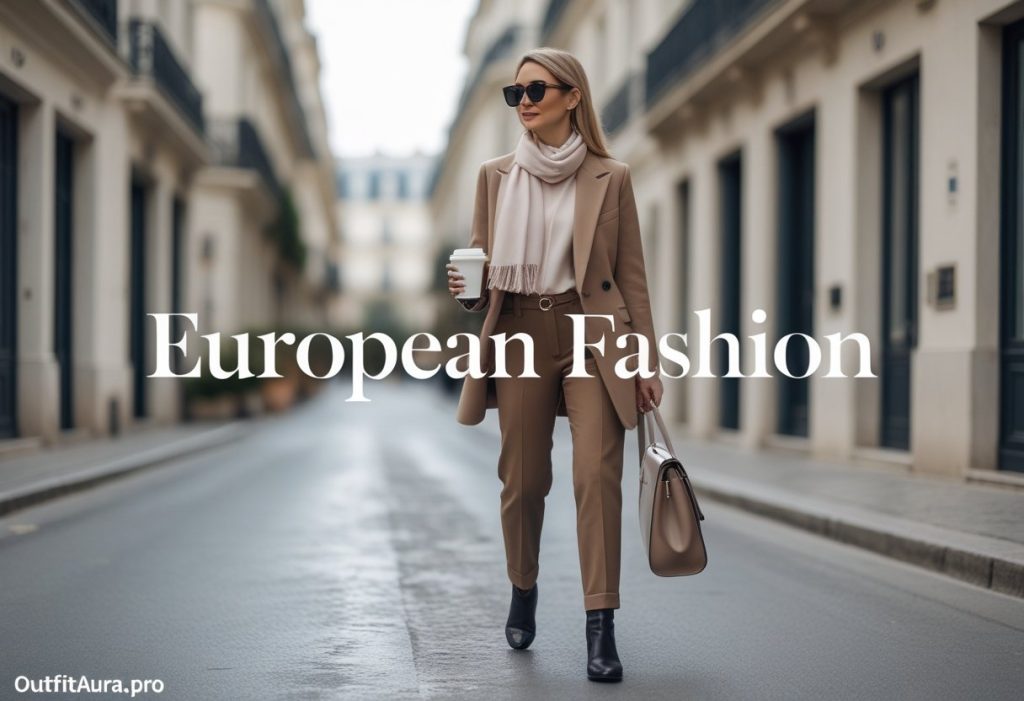
Parisian fashion remains the global gold standard for “effortless” style, though this nonchalance is often carefully curated. The French approach prioritizes fit, fabric, and versatility over fleeting trends. Key pieces include perfectly tailored blazers, high-quality denim, striped Breton tops, and little black dresses that transition seamlessly from day to night. The color palette tends toward neutrals—navy, black, white, beige, and gray—with occasional strategic pops of color.
Accessories play a crucial role in French styling. A leather handbag, silk scarf, or minimalist gold jewelry can elevate even the simplest outfit. Footwear leans toward classic designs: ballet flats, ankle boots, and understated heels that prioritize comfort without sacrificing elegance. The underlying philosophy is investment dressing—purchasing fewer, higher-quality items that last for years rather than seasons. This sustainable approach not only benefits your wardrobe but also aligns with growing environmental consciousness in fashion.
French style extends beyond clothing to encompass beauty and attitude. The “no-makeup” makeup look, perfectly tousled hair, and an air of confidence complete the aesthetic. It’s about looking polished without appearing as though you’ve tried too hard. For those looking to incorporate French elements into their wardrobe, start with one or two signature pieces and build around them. Visit OutfitAura.pro for our selection of timeless staples that capture this je ne sais quoi. European Fashion
Italian Fashion: La Dolce Vita in Fabric
If French style is understated elegance, Italian fashion is unabashed luxury and sensuality. Italian designers excel at craftsmanship, color, and celebrating the human form through tailoring. Think sharp suiting, luxurious fabrics like silk and fine wool, and bold patterns that reflect Italy’s artistic heritage. The Italian wardrobe balances structured pieces with fluid silhouettes, creating looks that are both powerful and romantic. European Fashion
Key elements include impeccably cut trousers, statement outerwear, and knitwear that feels like a second skin. Colors range from rich earth tones to vibrant Mediterranean hues, often mixed in unexpected but harmonious combinations. Accessories are never an afterthought—designer sunglasses, leather goods, and elegant watches are considered essential investments. Footwear combines comfort with drama, from loafers to sculptural heels. European Fashion
The Italian approach to fashion embraces joy and self-expression. Outfits are designed to make the wearer feel confident, beautiful, and alive. This celebratory attitude extends to how garments are worn—a jacket might be draped over the shoulders rather than worn, a scarf tied with deliberate nonchalance. To capture Italian style, prioritize fabric quality, embrace color, and don’t shy away from pieces that highlight your figure. Explore Italian-inspired collections at OutfitAura.pro for pieces that embody this luxurious sensibility. European Fashion
Scandinavian Style: Minimalism with Personality
Scandinavian fashion has risen to global prominence in recent decades, championing a minimalist aesthetic that prioritizes functionality, sustainability, and understated beauty. The palette is typically monochromatic or neutral, with clean lines and architectural silhouettes defining the look. However, contrary to popular belief, Scandinavian style isn’t devoid of personality—it’s expressed through texture, proportion, and occasional artful details. European Fashion
Layering is fundamental to mastering Nordic style, both for practical reasons in colder climates and for creating visual interest. Think wool coats over chunky knovers, paired with tailored trousers and sleek boots. Sustainability isn’t just a trend here but a deeply ingrained value, with many brands leading the way in ethical production, circular fashion, and transparent supply chains. This conscientious approach resonates with modern consumers seeking to align their purchases with their values. European Fashion
The Scandinavian philosophy extends to the concept of “slow fashion”—building a capsule wardrobe of versatile, high-quality pieces that work together seamlessly. This approach reduces decision fatigue, minimizes waste, and ensures you always have something appropriate to wear. To incorporate Scandinavian principles into your wardrobe, focus on versatile basics, invest in quality outerwear, and experiment with texture rather than pattern. For curated minimalist pieces, browse our selection at OutfitAura.pro. European Fashion
British Fashion: Tradition Meets Rebellion
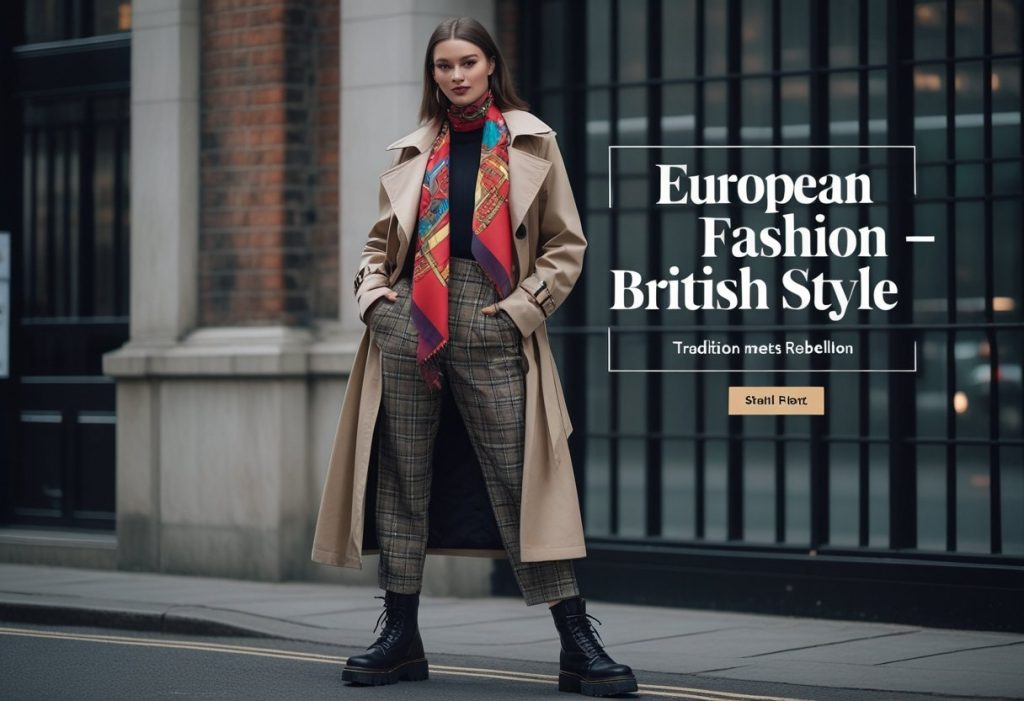
British style is characterized by its fascinating dichotomy—deeply rooted traditions coexisting with avant-garde rebellion. On one hand, there’s the Savile Row tailoring, heritage tweeds, and practical countrywear; on the other, the punk influences, street style, and daring designs emerging from London’s fashion schools. This tension creates a uniquely creative and individualistic fashion landscape.
Key British elements include trench coats, wellies (Wellington boots), Fair Isle knits, tartan patterns, and statement outerwear. The British aren’t afraid to mix patterns or combine high and low pieces, creating looks that feel both sophisticated and accessible. There’s also a fondness for eccentric accessories—quirky hats, bold socks, and unique vintage finds that add personality to an otherwise classic outfit.
British fashion celebrates individuality above all else. Unlike the more prescriptive French or Italian approaches, British style encourages experimentation and personal expression. This makes it particularly appealing to those who want to develop a distinctive look that doesn’t adhere strictly to conventional fashion rules. To embrace British elements, don’t be afraid to mix traditions with contemporary pieces, invest in quality outerwear, and incorporate vintage or second-hand finds. Discover unique pieces that capture this spirit at OutfitAura.pro. European Fashion
Seasonal European Fashion Trends 2026
Spring/Summer 2024: Lightness, Color, and Movement
European runways for Spring/Summer 2024 have embraced optimism, lightness, and joyful expression after several challenging years. Designers are moving toward fluid silhouettes that prioritize comfort and movement without sacrificing elegance. Key trends include:
- Romantic Florals: Not your traditional small prints, but oversized, painterly florals that make a statement.
- Ethereal Whites and Creams: Layered textiles in similar tonal families create depth and interest.
- Sustainable Innovations: More brands are incorporating recycled materials and zero-waste patterning.
- Utility Details: Functional elements like cargo pockets and drawstrings are rendered in luxurious fabrics.
- Barely-There Sandals: Delicate straps and minimalist designs complement the season’s fluid clothing.
The color palette ranges from soft pastels to vibrant citrus hues, with particular emphasis on greens and blues that connect to nature. Fabrics are lightweight and breathable—linen, organic cotton, and innovative sustainable materials that feel good against the skin. Silhouettes are generally relaxed but defined, avoiding both overly structured and completely shapeless forms.
Accessories take a refined approach. Jewelry trends toward delicate gold pieces, while handbags feature interesting textures and shapes without excessive hardware. Hats make a strong comeback, from wide-brimmed sun hats to structured fedoras. The overall mood is one of effortless sophistication suitable for both urban environments and countryside escapes. For the latest seasonal pieces that capture these trends, visit OutfitAura.pro. European Fashion
Autumn/Winter 2026-2027: Cocooning, Texture, and Heritage
As temperatures drop, European fashion turns toward warmth, texture, and nostalgia. The Autumn/Winter 2024-2025 collections showcase a return to craftsmanship, with many designers drawing inspiration from traditional techniques and heritage fabrics. Key trends include:
- Maxi Coats: Floor-grazing outerwear in wool, cashmere, and technical fabrics.
- Layered Knits: Chunky cardigans worn over finer knits, creating texture and warmth.
- Rich Jewel Tones: Emerald, ruby, and sapphire hues that brighten gloomy days.
- Leather and Suede: Used not just for accessories but as key components of garments.
- Tartan and Houndstooth: Classic patterns reinterpreted in modern colorways and applications.
The silhouette becomes more defined compared to summer’s fluidity, with emphasis on waist definition through belting and tailoring. However, comfort remains paramount—oversized blazers, wide-leg trousers, and roomy knits allow for layering without restriction. Eveningwear takes a dramatic turn with velvet, sequins, and metallic fabrics making appearances, often in unexpected casual combinations.
Footwear trends toward practicality without sacrificing style. Chunky boots, both ankle and knee-high, dominate the runway, often featuring lug soles for traction and height. Accessories become more substantial—structured handbags, statement scarves, and bold jewelry that stands out against heavier fabrics. The overall aesthetic is one of luxurious comfort and resilience. Explore our autumn/winter collection at OutfitAura.pro to find pieces that combine warmth with style. European Fashion
Building a European-Inspired Capsule Wardrobe
The Foundation: Timeless Basics
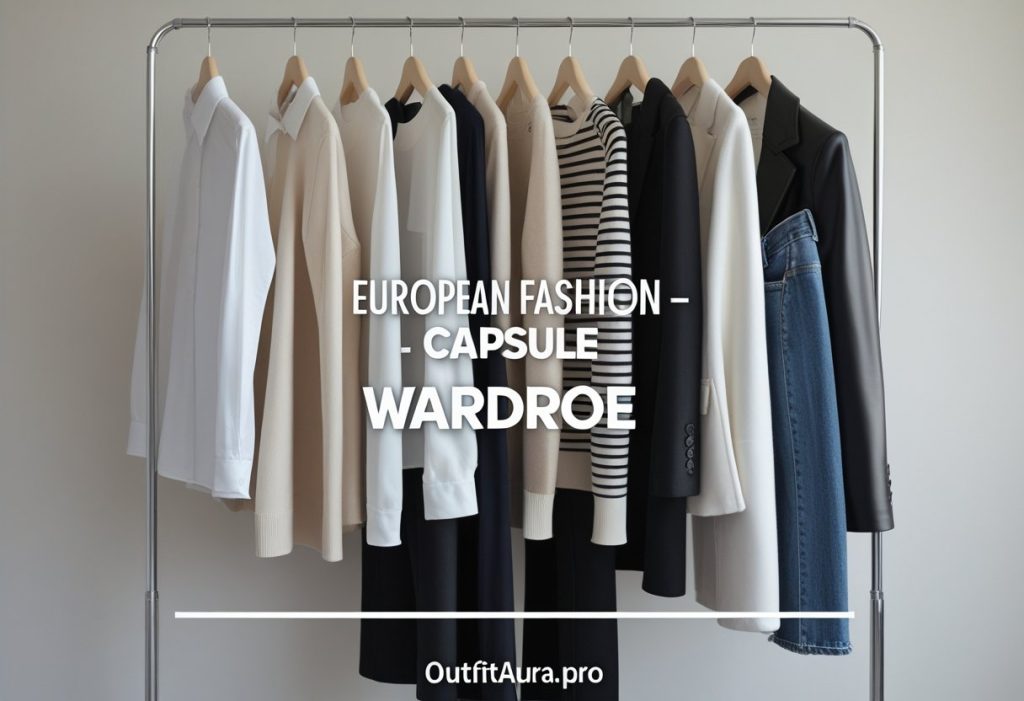
A capsule wardrobe built on European principles begins with versatile basics that form the foundation of countless outfits. These pieces should be in neutral colors and highest quality you can afford, as they’ll receive the most wear. Essential items include: European Fashion
- A perfectly fitted white button-down shirt
- High-quality denim in both straight and skinny cuts
- A little black dress that can be dressed up or down
- Tailored trousers in black or navy
- A cashmere or merino wool sweater in neutral tone
- A Breton striped top
- A leather jacket or tailored blazer
When selecting basics, pay close attention to fabric composition and construction. Natural fibers like cotton, wool, silk, and linen generally wear better and feel more comfortable than synthetic blends. Seams should lie flat, stitching should be even, and the garment should maintain its shape when tried on. These investments might cost more upfront but will save money in the long run by lasting for years rather than months. OutfitAura.pro offers a carefully curated selection of wardrobe essentials designed to stand the test of time.
Statement Pieces: Expressing Personal Style
Once your basics are established, incorporate statement pieces that reflect your personal aesthetic and current trends. These items add personality and keep your wardrobe feeling fresh. The European approach favors a few well-chosen statements rather than many trend-driven pieces. Consider:
- A coat in an unusual color or interesting texture
- Shoes or boots with distinctive but versatile design
- A handbag that complements your lifestyle
- A patterned blouse or skirt that coordinates with your neutrals
- Unique jewelry that can elevate simple outfits
The key to successful statement pieces is versatility. Ask yourself: Can this be worn at least three different ways with items I already own? Does it reflect my personal style rather than just a passing trend? Will I still want to wear it in two or three years? By applying these questions, you’ll build a wardrobe of pieces you truly love rather than impulse purchases. Browse our statement collection at OutfitAura.pro for inspiration. European Fashion
The Art of Layering: European Style
Mastering layering is essential for adapting European style to changing seasons and occasions. The goal is to create depth and interest while maintaining a streamlined silhouette. Key techniques include:
- Varying lengths: Layer shorter pieces over longer ones to create visual interest.
- Mixing textures: Combine knits with silk, leather with wool, etc.
- Strategic color blocking: Use layers to create intentional color combinations.
- Weight consideration: Start with thinnest layers closest to the body.
European layering particularly excels at transitioning outfits from day to night. A daytime look of trousers, a silk blouse, and a blazer can become evening-appropriate by swapping the blazer for a leather jacket and adding statement jewelry. Similarly, a daytime dress can be layered over a turtleneck and paired with boots for cooler weather. The emphasis is always on looking intentional rather than simply piling on clothing for warmth.
Accessories play a crucial role in layered looks. Scarves, belts, and jewelry can define your silhouette and pull together disparate elements. When layering, consider each piece as part of a cohesive whole rather than individual items. This holistic approach is what gives European style its polished, effortless appearance. For layering essentials that work seamlessly together, explore our collections at OutfitAura.pro.
Sustainable Fashion: The European Approach
The Rise of Conscious Consumption
European fashion has been at the forefront of the sustainability movement, with both consumers and brands embracing more responsible practices. This shift represents a fundamental rethinking of fashion’s role in society and its environmental impact. Key aspects include:
- Circular fashion: Designing clothes with their next life in mind, whether through recycling, upcycling, or resale.
- Transparent supply chains: Brands increasingly share information about where and how their clothes are made.
- Quality over quantity: The European tradition of investing in fewer, better pieces aligns perfectly with sustainable values.
- Local production: Supporting regional economies and reducing transportation emissions.
Sustainable fashion in Europe isn’t just about materials—it’s about changing consumption patterns. The “30 wears test” (will I wear this at least 30 times?) has gained popularity as a simple filter for purchases. Similarly, the concept of “cost per wear” helps justify higher initial investments in quality pieces that will last for years. These mindset shifts, combined with innovative materials and production methods, are driving meaningful change in the industry.
As a consumer, you can participate in sustainable fashion by researching brands’ practices, choosing natural and recycled materials, caring properly for your clothes to extend their lifespan, and exploring second-hand options. Many European cities now boast excellent vintage and consignment shops, while online platforms make pre-owned fashion accessible worldwide. OutfitAura.pro is committed to sustainability, curating collections from brands that prioritize ethical production and environmental responsibility.
European Brands Leading the Way
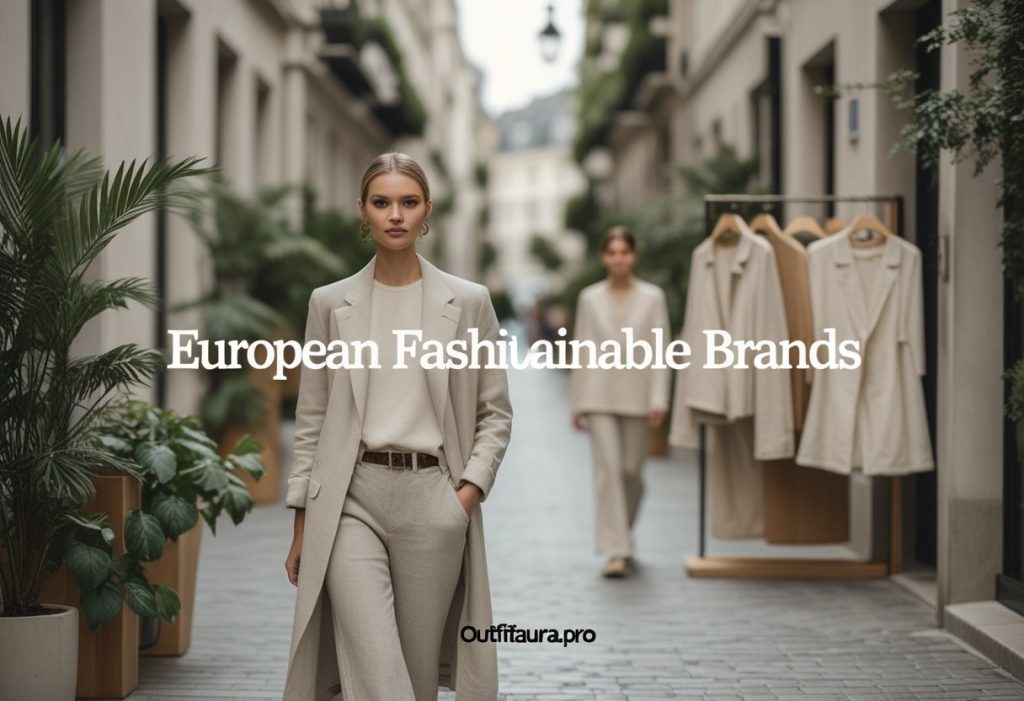
Several European brands have established themselves as leaders in sustainable fashion, proving that style and ethics can coexist. These companies employ innovative approaches to reduce their environmental impact while creating beautiful, desirable clothing. Notable examples include:
- Stella McCartney: A pioneer in vegetarian fashion, using innovative materials like mushroom leather and recycled fabrics.
- Ganni: While not perfect, this Danish brand has implemented numerous sustainability initiatives and is transparent about its journey.
- Arket: H&M’s more sustainable sibling, focusing on timeless pieces with detailed information about materials and production.
- Veja: French sneaker brand using organic cotton, wild rubber, and innovative recycled materials.
- E.L.V. Denim: London-based brand creating zero-waste denim from vintage jeans.
Beyond dedicated sustainable brands, many mainstream European labels are implementing significant changes to their practices. Luxury houses are investing in traceability technology, while high-street brands are increasing their use of recycled materials. The industry-wide shift suggests that sustainability is becoming non-negotiable rather than merely a marketing angle.
When shopping sustainably, it’s important to look beyond surface claims. Certifications like GOTS (Global Organic Textile Standard), Fair Trade, and B Corp provide third-party verification of ethical and environmental standards. Additionally, consider a brand’s overall business model—do they encourage overconsumption through constant new collections, or do they promote a slower, more thoughtful approach? At OutfitAura.pro, we carefully vet our partner brands to ensure they meet our standards for quality and responsibility.
Frequently Asked Questions (FAQs) About European Fashion
Q: What exactly defines “European fashion” as distinct from other styles?
A: European fashion isn’t a monolith but rather a collection of regional styles united by certain principles: emphasis on quality materials and construction, timelessness over fleeting trends, understated elegance, and dressing for specific occasions. Unlike some fast-fashion approaches, European style typically involves investing in fewer, better pieces that last for years. The attitude is also distinctive—European fashion embraces confidence, individuality, and the idea that clothes should serve the wearer rather than the other way around.
Q: How can I incorporate European style without breaking my budget?
A: European style is more about approach than price tag. Start by assessing what you already own—look for quality basics in neutral colors. Focus on fit; tailoring inexpensive pieces can make them look far more expensive. Shop second-hand or vintage for quality items at lower prices. Invest gradually in key pieces like a good coat or leather shoes. Remember, the European approach values a few excellent items over many mediocre ones, so saving for something special often makes more financial sense in the long run. For affordable European-inspired pieces, check out OutfitAura.pro.
Q: Is European fashion only for certain body types?
A: Absolutely not. European fashion celebrates diverse bodies, focusing on highlighting your best features rather than conforming to a specific ideal. The key is understanding fit and proportion—how to balance your silhouette, which necklines and hemlines work for you, and how to use color strategically. Many European brands now offer extended size ranges, and the styling principles can be adapted to any body type. The most important element is confidence—wearing clothes that make you feel good will always be stylish.
Q: How do I balance European minimalism with my love for color and patterns?
A: European style isn’t exclusively minimalist or neutral. Italian fashion embraces bold colors, British style loves patterns, and even Scandinavian designers incorporate color in sophisticated ways. The key is intentionality. Choose one or two statement pieces in vibrant colors or patterns and build around them with neutrals. Consider color theory—complementary or analogous color schemes can make brights feel more sophisticated. With patterns, vary scale (mix large and small) but keep color families consistent. For colorful European-inspired pieces, visit OutfitAura.pro.
Q: What are the most important items to invest in for a European-inspired wardrobe?
A: The foundation should include: 1) A well-fitting blazer or leather jacket, 2) Quality denim that fits perfectly, 3) A little black dress or its equivalent (perfect trousers and a silk blouse can serve similar versatility), 4) Excellent shoes—both practical everyday pairs and something special for evenings, 5) A good coat appropriate for your climate, 6) Simple, high-quality knitwear, 7) A versatile handbag. From this foundation, you can add seasonal pieces and personal statements. We’ve curated investment-worthy versions of all these essentials at OutfitAura.pro.
Q: How does European fashion approach workwear differently?
A: European workwear tends to be more tailored and less casual than in some other regions, even in creative industries. The focus is on polished separates that can mix and match—blazers, tailored trousers, sheath dresses, quality knitwear. Neutral colors dominate, with accessories adding personality. Comfort is achieved through good tailoring and quality fabrics rather than completely relaxed fits. Even on “casual Friday,” Europeans tend to opt for smart casual rather than truly casual attire. The underlying principle is that dressing professionally shows respect for your workplace and colleagues.
Q: Can I wear sneakers with European-style outfits?
A: Yes, absolutely. Europeans have mastered the art of pairing sneakers with everything from dresses to tailored trousers. The key is choosing the right sneaker—typically minimalist designs in white, black, or neutral tones. Leather or canvas options work best. Avoid overly sporty or brightly colored athletic sneakers for most fashion applications. The contrast between tailored clothing and casual shoes creates the effortless, modern vibe central to contemporary European style. For versatile sneaker options that complement European aesthetics, check OutfitAura.pro.
Q: How important are accessories in European fashion?
A: Accessories are crucial—they’re often what transforms an outfit from basic to polished. However, the European approach tends toward fewer, better accessories rather than many trendy pieces. Key items include a quality leather handbag, simple jewelry (stud earrings, delicate necklaces, a good watch), scarves (both for warmth and as style accents), and belts. The philosophy is that accessories should complement the outfit rather than overpower it. They’re also an excellent way to update your look without buying entirely new clothing.
Q: Does European fashion change with age?
A: European style evolves with age but doesn’t become less fashionable. The focus shifts even more toward quality fabrics, impeccable fit, and timeless pieces. Brighter colors might be used more strategically rather than head-to-toe. Silhouettes might become slightly more refined but not necessarily more conservative. Many European women in their 50s, 60s, and beyond are celebrated as style icons precisely because they dress with confidence and authenticity rather than trying to look younger. The key at any age is wearing what makes you feel confident and comfortable.
Q: How can I make European fashion work in a very casual or warm climate?
A: European principles adapt to any climate. In warm weather, focus on natural, breathable fabrics like linen, cotton, and silk. Opt for looser silhouettes that allow air circulation while maintaining shape. Neutral colors and simple designs work well in heat. For casual environments, elevate basics with accessories, good grooming, and attention to fit. Even a simple t-shirt and shorts combination can feel European with the right shoes, sunglasses, and bag. The attitude—confidence, intentionality, quality—transcends specific garments. For warm-weather European style, explore our summer collections at OutfitAura.pro.
The Cultural Context: How History Shaped European Fashion
Post-War Rebuilding and the Rise of Haute Couture
The devastation of World War II created a unique environment for European fashion’s mid-century renaissance. With fabric rationing lifted, designers like Christian Dior responded with the extravagant “New Look” in 1947—featuring full skirts, cinched waists, and an overtly feminine silhouette that contrasted starkly with wartime utilitarianism. This period established Paris firmly as the capital of haute couture, with houses like Balenciaga, Givenchy, and Chanel (who reopened in 1954) defining luxury for the global elite.
Simultaneously, Italy was rebuilding its fashion identity. Florence’s Sala Bianca presentations in the 1950s showcased Italian craftsmanship to international buyers, while Milan emerged as ready-to-wear capital in the following decades. Italian designers emphasized luxury materials and wearable elegance, creating an alternative to French formality. This post-war period established the foundation for Europe’s fashion dominance, emphasizing craftsmanship, artistry, and exclusivity that contrasted with America’s more casual, mass-market approach.
The social changes of the 1960s—increased youth influence, women’s liberation, and economic growth—further transformed European fashion. London became the epicenter of youth-driven style with Mary Quant’s miniskirt and the mod movement, while Paris saw Yves Saint Laurent democratize fashion with ready-to-wear collections. These developments expanded fashion’s reach beyond the aristocracy while maintaining European leadership in design innovation. Understanding this history helps explain why European fashion continues to balance tradition with progress—a tension that creates its distinctive character.
Globalization and the Modern European Fashion Landscape
The late 20th century brought globalization, fast fashion, and digital disruption to the fashion industry. European brands responded in various ways: some embraced mass-market expansion (Zara, H&M), while others doubled down on exclusivity (Hermès, Chanel). The rise of Milan and London as fashion capitals alongside Paris created a more diverse European fashion scene, each city developing its distinctive strengths—Italian manufacturing excellence, British creative education, French luxury heritage.
The 21st century has seen European fashion grapple with sustainability, diversity, and digital transformation. European Union regulations on environmental impact, coupled with consumer demand for transparency, have pushed the industry toward more responsible practices. Simultaneously, European fashion schools continue to produce innovative designers who challenge conventions while respecting craftsmanship traditions. Digital platforms have democratized access to European style while creating new challenges around overconsumption and trend acceleration.
Today’s European fashion landscape is a complex ecosystem of heritage houses, contemporary designers, fast-fashion giants, sustainable innovators, and digital natives. What unites them is a continued commitment to design integrity, quality, and expressing cultural values through clothing. As we look to the future, European fashion’s ability to evolve while maintaining its core principles will determine its ongoing global influence. For those seeking to engage with this evolving tradition, OutfitAura.pro offers a curated gateway to European style across price points and aesthetics.
Styling Tips from European Fashion Insiders
The Art of Looking “Effortless”
That coveted European “effortless” look is actually the result of careful planning and specific techniques. Insiders recommend:
- Focus on fit above all: Clothes should skim your body without being tight. Tailoring is non-negotiable.
- Master the half-tuck: Tucking just the front of a shirt or blouse into trousers or a skirt breaks up the silhouette naturally.
- Embrace “imperfection”: A slightly undone button, casually rolled sleeves, or asymmetrical styling creates movement and ease.
- Limit visible branding: Europeans tend to prefer discreet or no logos, letting cut and fabric speak for themselves.
- Invest in undergarments: The right foundation garments ensure everything else hangs properly.
The underlying principle is to look like you’ve dressed for yourself rather than for others’ approval. This requires understanding what works for your body and lifestyle, editing out what doesn’t, and developing a consistent personal style. The confidence that comes from this self-knowledge is ultimately what reads as “effortless.” For pieces designed with this aesthetic in mind, explore OutfitAura.pro.
Strategic Splurging and Saving
European stylists excel at mixing price points to create expensive-looking outfits without astronomical costs. Their strategies include:
- Splurge on items closest to your body: Shoes, handbags, and outerwear are worth investing in because they’re most noticeable and receive the most wear.
- Save on trend pieces: If something is very of-the-moment, buy an affordable version you can wear for one season without guilt.
- Invest in alterations: A €50 shirt tailored to fit you perfectly looks more expensive than a €200 shirt that doesn’t fit properly.
- Prioritize natural fabrics: Even at lower price points, natural fibers tend to look and wear better than synthetics.
- Develop relationships with salespeople: They’ll alert you to upcoming sales and help you find what works for you.
This approach requires shifting from impulse shopping to strategic planning. Before making any purchase, consider: What gap does this fill in my wardrobe? How many ways can I wear it? Does it coordinate with what I already own? Will it last beyond this season? By applying this mindfulness, you build a cohesive wardrobe over time rather than a collection of isolated items. OutfitAura.pro offers pieces across price points, all selected for their quality and versatility.
Cultivating Personal Style Rather Than Following Trends
Perhaps the most important European fashion philosophy is developing a personal style that transcends trends. This involves:
- Identifying your style icons: Not to copy exactly, but to understand what resonates with you.
- Creating a style mood board: Digital or physical, collect images of looks you love to identify patterns.
- Conducting regular wardrobe audits: Remove what you don’t wear and identify gaps.
- Shopping with intention: Always have a list rather than browsing aimlessly.
- Developing signature elements: Whether it’s a particular color, accessory type, or silhouette, having recognizable elements makes your style distinct.
Personal style evolves over time, so allow yourself to experiment. The goal isn’t to arrive at a fixed destination but to enjoy the journey of self-expression through clothing. European fashion provides a framework of quality, fit, and timelessness within which infinite personal variations are possible. This balance between structure and creativity is what makes European style both aspirational and achievable. For pieces that serve as a canvas for personal expression, visit OutfitAura.pro.
Conclusion: Embracing European Fashion in Your Daily Life
European fashion offers more than just clothing—it provides a philosophy for approaching style with intention, quality, and confidence. By focusing on timeless pieces, perfect fit, and personal expression, you can build a wardrobe that serves you well for years rather than just seasons. The regional diversity within Europe means there’s inspiration for every aesthetic preference, from Parisian chic to Milanese luxury, Scandinavian minimalism to British eccentricity.
Remember that adopting European style principles doesn’t mean abandoning your cultural context or personal preferences. Rather, it’s about integrating what works for you—the emphasis on quality, the strategic approach to shopping, the confidence that comes from wearing clothes that fit and flatter. Start small: perhaps with one perfectly tailored blazer or a pair of quality leather shoes, then build gradually as you develop your personal style vocabulary.
At OutfitAura.pro, we’re passionate about making European fashion accessible and adaptable. Our curated collections bring together pieces that embody European principles of design, quality, and versatility. Whether you’re building a capsule wardrobe from scratch or looking to elevate specific aspects of your style, we offer guidance and options to support your journey. Fashion should be a source of joy and self-expression, and European traditions provide a wonderful foundation for developing a relationship with clothing that is both thoughtful and joyful.
As you continue to explore European fashion, keep in mind that the ultimate goal is to feel confident and authentic in what you wear. Trends will come and go, but style—true personal style—is timeless. By combining European principles with your unique perspective, you’ll create a way of dressing that feels entirely your own while benefiting from centuries of sartorial wisdom. Thank you for joining us on this exploration of European fashion—we look forward to being part of your style journey at OutfitAura.pro.
DeepThink
Search