Introduction: The Foundation of Formal Elegance
In the world of men’s and women’s fashion, few items hold as much transformative power as formal shoes. These aren’t merely accessories; they’re statements of professionalism, confidence, and personal style. At OutfitAura, we believe that the right pair of formal shoes can elevate an entire ensemble, creating an aura of sophistication that resonates in boardrooms, at special events, and during important occasions.
Formal shoes have evolved significantly from their purely functional origins. Today, they represent a fascinating intersection of craftsmanship, fashion, and personal expression. Whether you’re preparing for a job interview, a wedding, a gala event, or simply aiming to refine your daily professional attire, understanding formal footwear is essential. This comprehensive guide will walk you through everything from classic styles to contemporary trends, care techniques to styling advice, ensuring you make informed decisions that complement your personal style and practical needs.
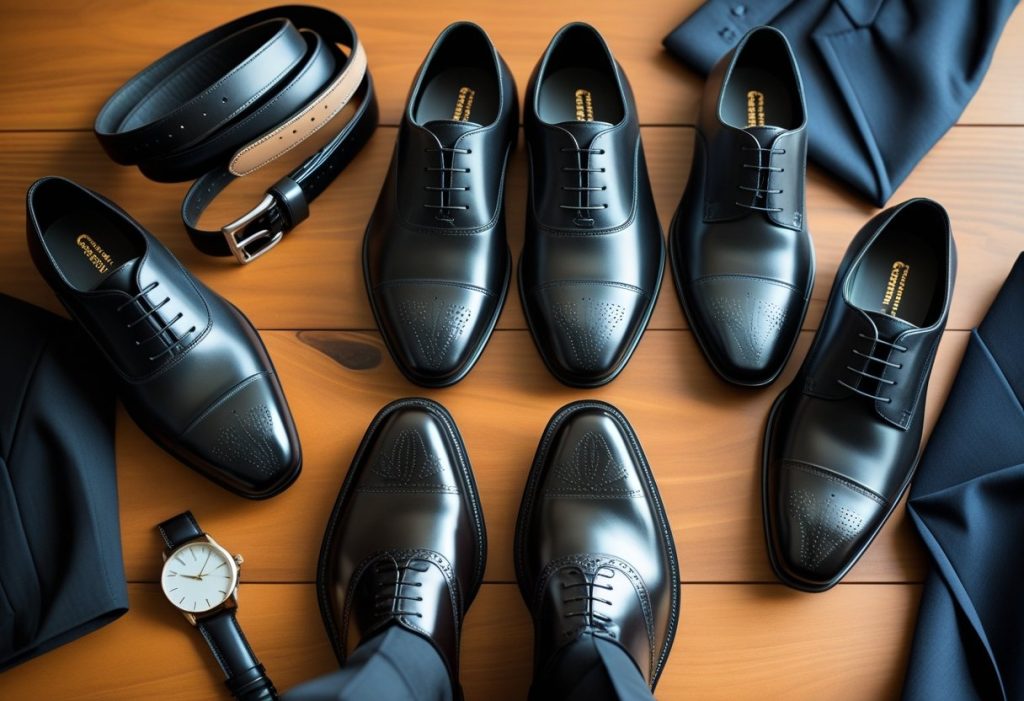
The History and Evolution of Formal Footwear
The story of formal shoes is intrinsically linked to social class, craftsmanship, and changing cultural norms. In medieval Europe, shoes were primarily practical, but as societies became more stratified, footwear began signaling status. The 17th century saw the emergence of heeled shoes for both men and women among aristocracy, a trend popularized by Louis XIV of France. These early “formal” shoes were often ornately decorated with buckles, embroidery, and expensive materials.
The Industrial Revolution democratized shoe production while simultaneously creating a clearer distinction between workwear and formalwear. The Victorian era solidified many styles we recognize today—the Oxford, for instance, emerged from Oxford University students rebelling against knee-high boots. Throughout the 20th century, formal shoes became standardized business attire, with fluctuations in toe shape, heel height, and materials reflecting broader fashion trends.
Today, formal footwear balances tradition with innovation, incorporating new materials, sustainable practices, and comfort technologies while maintaining classic silhouettes that have stood the test of time. At OutfitAura, we celebrate this rich history while helping you navigate contemporary choices.
Anatomy of a Formal Shoe: Understanding the Components
Before diving into styles, let’s break down the key components of quality formal shoes:
Upper: The visible part of the shoe above the sole, typically made from leather. Quality is determined by leather type (full-grain, corrected grain, patent), construction, and detailing.
Lining: Interior material that provides comfort and shape retention. Breathable leather linings are superior to synthetic alternatives.
Sole: The bottom of the shoe. Leather soles are traditional and offer flexibility, while rubber or composite soles provide better traction and durability.
Heel: The raised part under the heel of the foot. Formal shoe heels are typically made from layered leather or sturdy composites.
Welt: The strip of material joining the upper to the sole. Goodyear welt construction is considered the gold standard for durability and repairability.
Toe Style: The shape and detailing at the front of the shoe, ranging from plain and cap toes to more decorative wingtips.
Understanding these elements helps you recognize quality and make informed purchases. Explore our curated collection at OutfitAura to see these components in various high-quality formal shoes.
Classic Formal Shoe Styles for Men
Oxfords: The Quintessential Formal Choice
Characterized by closed lacing (the eyelet tabs are stitched under the vamp), Oxfords represent the pinnacle of formal footwear. They’re appropriate for weddings, black-tie events, and conservative business environments. Variations include:
- Plain Oxfords: Minimalist and versatile
- Cap-toe Oxfords: Featuring a horizontal stitching across the toe, the most common business style
- Wingtip Oxfords: Decorative perforations extending to the toe
Derbys: Flexible Formality
With open lacing (eyelets attached on top of the vamp), Derbys offer slightly more flexibility and are often considered marginally less formal than Oxfords. They’re excellent for business settings and provide a more forgiving fit for those with higher insteps.
Monk Straps: Elegant Alternative
Featuring buckle closures instead of laces, monk straps range from single to double straps. They offer distinctive style while maintaining formality, perfect for making a sophisticated statement in creative industries or less conservative environments.
Loafers: Sophisticated Slip-Ons
While traditionally considered casual, certain loafers (like leather-soled, unadorned penny loafers or tassel loafers) can work in business casual or creative formal settings. They’re not appropriate for traditional formal events but bridge the gap between formal and smart-casual beautifully.
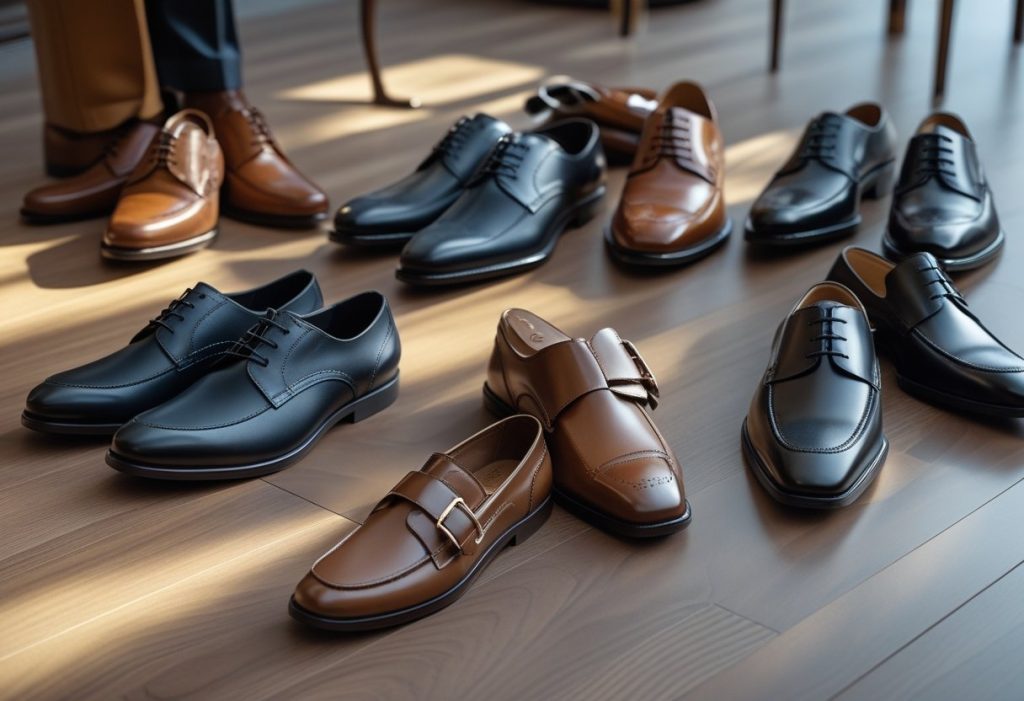
Women’s Formal Shoes: From Classic to Contemporary
Pumps: The Foundation of Women’s Formal Wear
Characterized by a low-cut front and typically a heel, pumps are versatile staples. Key variations include:
- Classic Court Shoes: Simple, elegant, with moderate heel heights
- Kitten Heels: Lower, slender heels offering comfort without sacrificing elegance
- Stiletto Pumps: Higher, thinner heels for maximum sophistication
Slingbacks: Elegant with Practicality
Featuring an open back secured with a strap, slingbacks offer security while maintaining a formal appearance. They’re particularly popular in warmer climates and transitional seasons.
Oxfords for Women: Androgynous Elegance
Women’s Oxfords have seen a significant resurgence, offering a polished, slightly androgynous look that works exceptionally well with tailored suits and dresses alike.
Block Heels & Platforms: Modern Comfort
Contemporary formal footwear often incorporates block heels and subtle platforms, providing stability and comfort for extended wear without compromising on style.
At OutfitAura, our women’s collection features all these styles, ensuring you find the perfect balance of comfort, style, and formality.
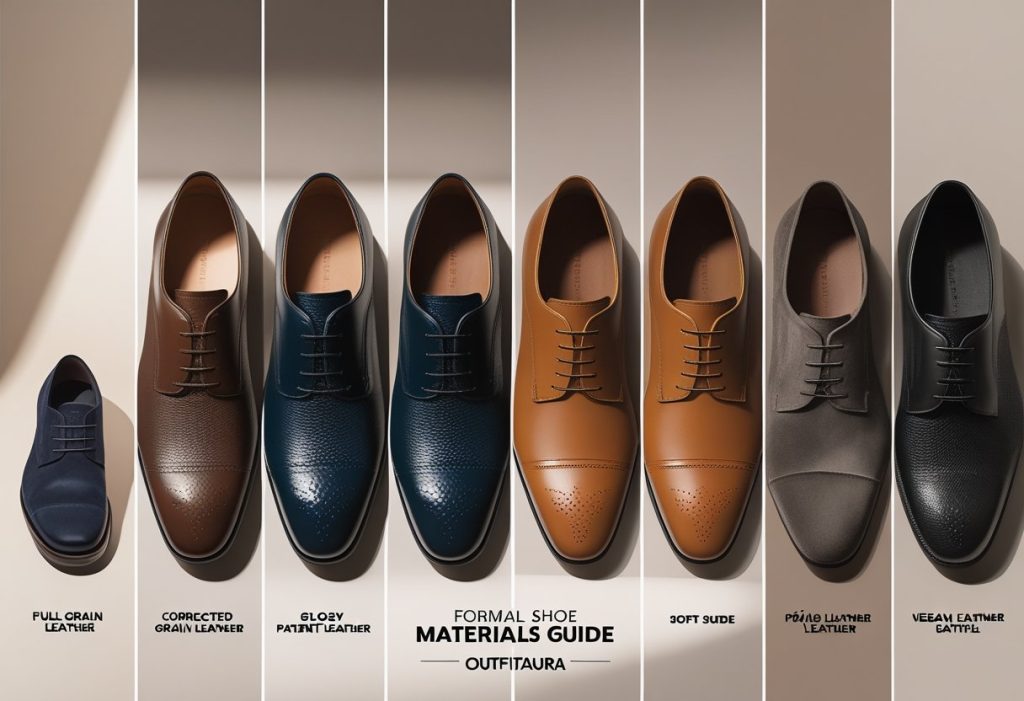
Materials Matter: Leathers and Alternatives
Full-Grain Leather
The highest quality leather, retaining the natural grain. It develops a beautiful patina over time and offers exceptional durability.
Corrected Grain Leather
Buffered to remove imperfections, then embossed with an artificial grain. More uniform in appearance but less breathable and durable than full-grain.
Patent Leather
Characterized by its high-gloss finish, patent leather is traditional for black-tie events and formal occasions.
Suede and Nubuck
Brushed finishes that offer a softer, textured appearance. While less formal than smooth leather, they can work in certain business-casual or creative formal contexts.
Sustainable Alternatives
Modern formal shoes increasingly incorporate innovative materials like Piñatex (pineapple leather), apple leather, and high-quality vegan synthetics. These options allow for ethical choices without sacrificing style.
The Art of Color Selection
Black: Ultimate Formality
Black shoes are essential for traditional formal events, funerals, and conservative business environments. They pair best with dark suits and formalwear.
Brown: Versatile Sophistication
Ranging from light tan to dark chocolate, brown shoes offer more versatility. Dark brown can approach the formality of black in many settings, while lighter shades work well with navy, grey, and earth tones.
Oxblood/Burgundy: Bold Elegance
Deep red-brown shades make a sophisticated statement while maintaining formality. They pair exceptionally well with navy, grey, and charcoal suits.
Two-Tone and Exotic Colors
While traditionalists stick to solid colors, contemporary formalwear allows for subtle experimentation. Two-tone spectator styles or shoes in deep navy, forest green, or even tasteful patterns can express individuality in appropriate settings.
Discover how different colors transform outfits in our styling guides at OutfitAura.
The Perfect Fit: More Crucial Than You Think
Ill-fitting formal shoes undermine your entire appearance and can cause significant discomfort. Follow these guidelines:
Measure Both Feet: Feet often differ slightly in size. Fit to your larger foot.
Shop Later in the Day: Feet naturally swell throughout the day.
Mind the Width: Formal shoes come in various widths. Don’t settle for length-only sizing.
Check Key Points:
- Ball of your foot aligns with shoe’s widest part
- Heel slips slightly when new (will diminish with breaking in)
- Toes have adequate room (about thumbnail’s width from toe to shoe end)
- No uncomfortable pressure points
Consider Sock Thickness: Try shoes with the socks you intend to wear with them.
Remember, quality formal shoes will stretch and mold to your feet over time, but they shouldn’t cause pain initially. Our OutfitAura size guides provide detailed assistance for finding your perfect fit.
Formal Shoe Care: Preserving Your Investment
Quality formal shoes represent a significant investment that, with proper care, can last decades.
Daily Maintenance
- Use shoe trees after wearing to absorb moisture and maintain shape
- Brush off dirt with a soft brush before storing
- Allow shoes to rest at least 24 hours between wears
Cleaning and Polishing
- Remove laces and clean separately
- Wipe with damp cloth to remove surface dirt
- Apply appropriate cleaner for leather type
- Use conditioner to maintain leather suppleness
- Apply polish in circular motions, matching color
- Buff with soft cloth for shine
- Re-lace and store properly
Seasonal Considerations
- Protect shoes from salt stains in winter with waterproofing sprays
- Address water spots immediately by letting shoes dry naturally, then conditioning
- Store in breathable bags during off-seasons
Proper care not only extends shoe life but ensures you always present a polished appearance. For specific product recommendations, visit our shoe care section at OutfitAura.
Styling Formal Shoes: Coordination Mastery
Suit and Shoe Pairings
- Navy Suits: Black, dark brown, oxblood, or tan shoes
- Grey Suits: Black, brown, or burgundy shoes (darker greys with darker shoes)
- Black Suits: Black shoes exclusively for maximum formality
- Brown Suits: Brown shoes in complementary shades
Business Formal vs. Business Casual
Understanding dress codes is essential:
- Business Formal: Oxfords or conservative Derbys in black or dark brown
- Business Casual: Derbys, monk straps, or elegant loafers in various brown shades
Accessory Coordination
- Match belt to shoe color (not necessarily exact match, but same color family)
- Ensure metal hardware (buckles, watch) coordinates (silver-tone with black shoes, gold-tone with brown)
- Socks should complement trousers or shoes, not clash
Women’s Formal Shoe Styling
- Match shoe color to handbag or other accessories for cohesive look
- Consider hem length with heel height
- Nude shoes elongate legs and work with multiple outfits
- Statement shoes should be balanced with simpler clothing
Our stylists at OutfitAura can provide personalized coordination advice for your specific wardrobe and needs.
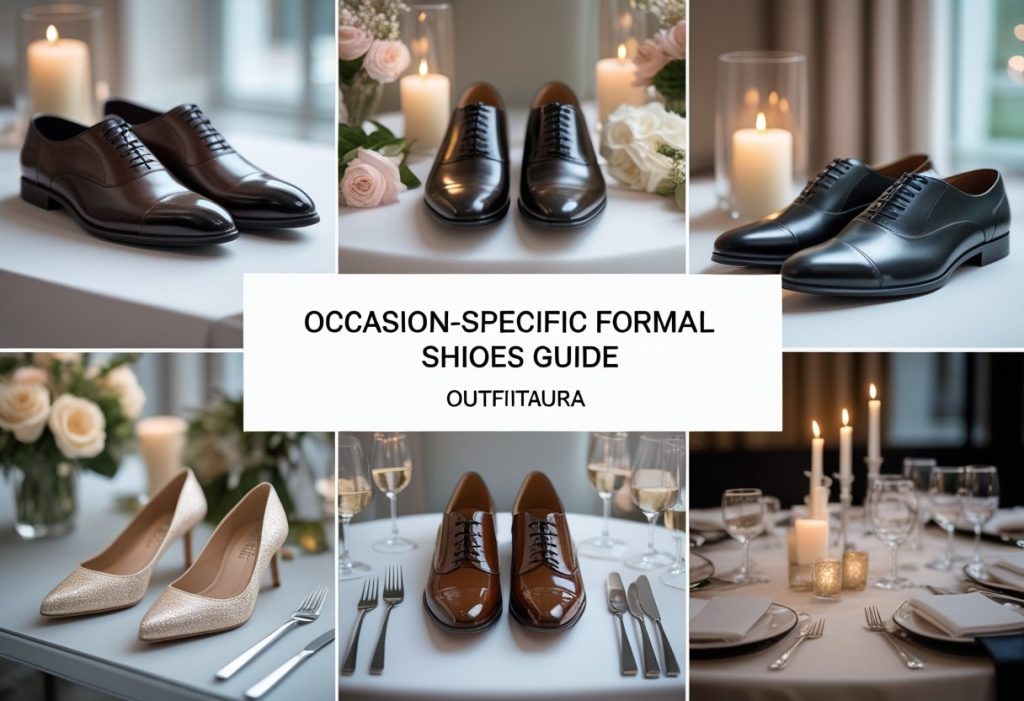
Occasion-Specific Guidance
Weddings
Guests: Match formality to wedding style. Day weddings allow lighter colors, evening weddings demand darker sophistication.
Groom: Classic black or brown Oxfords, polished to perfection.
Interviews
Conservative is key. Black or dark brown Oxfords with minimal detailing project professionalism and attention to detail.
Black-Tie Events
Men: Patent leather Oxfords or high-quality polished calfskin
Women: Elegant pumps or strappy sandals in neutral or metallic shades
Business Settings
Follow company culture while leaning slightly more formal than the norm to demonstrate professionalism.
Religious Ceremonies and Formal Dinners
Respect tradition with conservative choices, avoiding overly trendy styles.
Global Perspectives on Formal Footwear
Formal shoe expectations vary internationally:
- UK: Traditional, conservative styles prevail
- Italy: More fashion-forward, with attention to detail and luxurious materials
- Japan: Impeccable cleanliness and maintenance are paramount
- United States: Varies by region, with East Coast more traditional and West Coast more relaxed
When traveling for business, research local norms or opt for versatile, mid-formality styles. Our international shipping at OutfitAura ensures you’re prepared for any global formal occasion.
Sustainability in Formal Footwear
The formal shoe industry is embracing sustainability through:
- Ethically sourced materials
- Traditional repair-friendly construction methods
- Vegan and recycled material options
- Brands prioritizing worker welfare and environmental responsibility
When shopping, consider:
- Transparency in supply chain
- Repairability (Goodyear welt vs. glued construction)
- Timeless styles that won’t need frequent replacement
- Quality that ensures longevity
We carefully vet all brands featured on OutfitAura for their commitment to ethical and sustainable practices.
Investment vs. Fast Fashion: The Long-Term Perspective
While fast fashion offers inexpensive formal shoes, they represent a false economy:
- Poor materials deteriorate quickly
- Cheap construction causes discomfort
- Frequent replacement creates more waste
- Lack of style longevity
Investment-quality formal shoes:
- Cost more initially but offer far lower cost-per-wear
- Can be resoled and repaired multiple times
- Develop character and patina over years
- Maintain their style beyond seasonal trends
Consider building a capsule collection of 3-4 quality pairs that cover all formal occasions rather than numerous cheap alternatives.
Breaking In New Formal Shoes
Even perfectly fitted formal shoes require a breaking-in period:
- Wear indoors with thick socks for short periods
- Use leather conditioner on stiff areas
- Consider professional stretching for specific pressure points
- Be patient—quality leather molds beautifully over time
Never attempt to break in shoes during an important event. Plan ahead to ensure comfort when it matters most.
Common Formal Shoe Mistakes to Avoid
- Wearing square-toed shoes (dated and inelegant)
- Overly pointy toes (uncomfortable and potentially fashion-victim)
- Scuffed or unpolished shoes (undermines entire outfit)
- Inappropriate socks (white athletic socks with formal shoes is a cardinal sin)
- Ignoring shoe maintenance (shortens lifespan and looks unprofessional)
- Mismatching formality levels (loafers with tuxedos, etc.)
Browse our OutfitAura style guides to avoid these and other common pitfalls.
The Future of Formal Footwear
Emerging trends include:
- Technology integration: Comfort innovations in traditionally styled shoes
- Gender-fluid designs: Blurring traditional men’s/women’s categories
- Customization: Bespoke and made-to-order options becoming more accessible
- Hybrid styles: Formal shoes with athletic-inspired comfort features
- Sustainable innovation: New materials and production methods reducing environmental impact
Despite these innovations, classic styles and quality craftsmanship will remain at the heart of formal footwear. Staying informed about trends while investing in timeless pieces creates a balanced, sophisticated wardrobe.
Building Your Formal Shoe Collection
Start with essentials and expand based on your lifestyle:
The Foundation Three:
- Black Oxfords (most formal occasions)
- Dark Brown Derbys or Oxfords (versatile business wear)
- Tan or lighter brown shoes (business casual and daytime events)
Next Additions:
- Burgundy/Oxblood shoes
- Black or brown monk straps
- Formal loafers for creative environments
- Patent leather for black-tie events
For Women:
- Nude pumps (versatile with everything)
- Black pumps (maximum formality)
- Navy or burgundy shoes (color versatility)
- Elegant flats or low heels (comfort options)
Visit OutfitAura to explore our curated collections for building your perfect formal shoe wardrobe.
Frequently Asked Questions (FAQs)
Q: Can brown shoes be worn with black suits?
A: Traditionally, no. Black suits require black shoes for maximum formality. However, in less conservative settings or creative industries, dark brown shoes with a black suit can work if executed confidently.
Q: How often should I replace formal shoes?
A: With proper care and rotation, quality formal shoes can last 5-10 years or more. Replace when the soles or heels are worn beyond repair, or the uppers develop irreparable damage.
Q: Are rubber soles acceptable on formal shoes?
A: Traditionally, leather soles are more formal. However, high-quality rubber soles with leather uppers are increasingly acceptable, especially in inclement climates. They should be thin and discreet, not thick like athletic soles.
Q: How should formal shoes fit compared to casual shoes?
A: Formal shoes typically fit more snugly than casual shoes, especially when new. They should be secure without pinching, and will mold to your feet over time.
Q: Can women wear open-toe shoes in formal settings?
A: Generally, closed-toe shoes are more formal. However, elegant open-toe styles can be appropriate for many formal events, especially in warmer weather or less conservative environments.
Q: How do I transition formal shoes between seasons?
A: Use appropriate protectors for winter conditions, store properly during off-seasons, and consider having two pairs of staple colors—one for warmer months (lighter care, more breathable) and one for colder months (more protection, potentially with topy soles for traction).
Q: Are expensive formal shoes worth the investment?
A: Yes, when considering cost-per-wear, comfort, durability, and appearance. A $300 pair worn 200 times costs $1.50 per wear, while a $50 pair replaced twice a year costs more and never achieves the same appearance or comfort.
Q: How can I make formal shoes more comfortable?
A: Quality shoes properly fitted are the first step. Additional comfort solutions include quality insoles designed for dress shoes, professional stretching for specific areas, and proper breaking-in procedures.
For more FAQs and detailed answers, explore our comprehensive guides at OutfitAura.
Conclusion: Stepping Forward with Confidence
Formal shoes represent more than mere footwear—they’re the foundation of your professional and formal presentation. They communicate attention to detail, respect for occasion, and understanding of sartorial language. In a world where first impressions carry significant weight, the right formal shoes can speak volumes before you utter a word.
At OutfitAura, we’re passionate about helping you navigate the world of formal footwear with confidence. From timeless classics to contemporary interpretations, from essential care techniques to sophisticated styling, mastering formal shoes is an investment in your personal and professional presence.
Remember that the most stylish choice is always one that balances tradition with personal expression, quality with practicality, and current trends with timeless elegance. Your formal shoes should not only complement your outfit but also reflect your understanding of context, your attention to detail, and your respect for the occasions that matter.
As you build and curate your formal shoe collection, consider each pair not just as an accessory, but as a component of your personal toolkit for success. Whether you’re stepping into a boardroom, attending a milestone celebration, or presenting your best self to the world, the right formal shoes provide both literal and metaphorical foundation.
We invite you to explore our curated selections, styling advice, and comprehensive resources at OutfitAura. Let us help you find the perfect formal shoes that don’t just complete your outfit, but enhance your entire presence—one confident step at a time.