By OutfitAura.pro – Your Destination for Performance & Style
Introduction to Ice Skating Attire
Ice Skating Outfits combines athleticism with artistry, and your outfit plays a crucial role in both performance and presentation. Whether you’re a beginner taking your first strides on the ice or a seasoned skater practicing complex jumps, the right clothing can significantly impact your comfort, safety, and confidence. At OutfitAura.pro, we believe that the perfect ice skating outfit balances functionality with personal expression. Ice Skating Outfits
The ideal ice skating outfit varies depending on your skill level, skating discipline, and personal preferences. From sleek competition dresses to practical practice wear, each element serves a specific purpose. In this comprehensive guide, we’ll explore everything you need to know about assembling the perfect ice skating wardrobe that keeps you warm, safe, and stylish on the ice. Ice Skating Outfits
Understanding the Basics: Layering for the Ice Rink
Ice rinks are cold environments, typically maintained at temperatures between 45-60°F (7-15°C). This necessitates thoughtful layering that accommodates both the chilly atmosphere and the body heat generated during physical activity.
Your base layer should consist of moisture-wicking materials that draw sweat away from your skin. At OutfitAura.pro, we recommend technical fabrics like polyester blends or specialized skating fabrics rather than cotton, which retains moisture and can leave you feeling cold and damp during breaks.
The middle layer provides insulation. Many skaters opt for fleece-lined leggings or thin thermal layers. For the upper body, a fitted long-sleeve shirt or light sweater works well. Remember that bulk interferes with movement, so choose thin, warm materials rather than thick, restrictive ones.
Your outer layer varies based on your activity. For practice sessions, many skaters wear jackets or sweatshirts that can be easily removed as they warm up. For performances, this layer becomes your costume or competition dress. Ice Skating Outfits
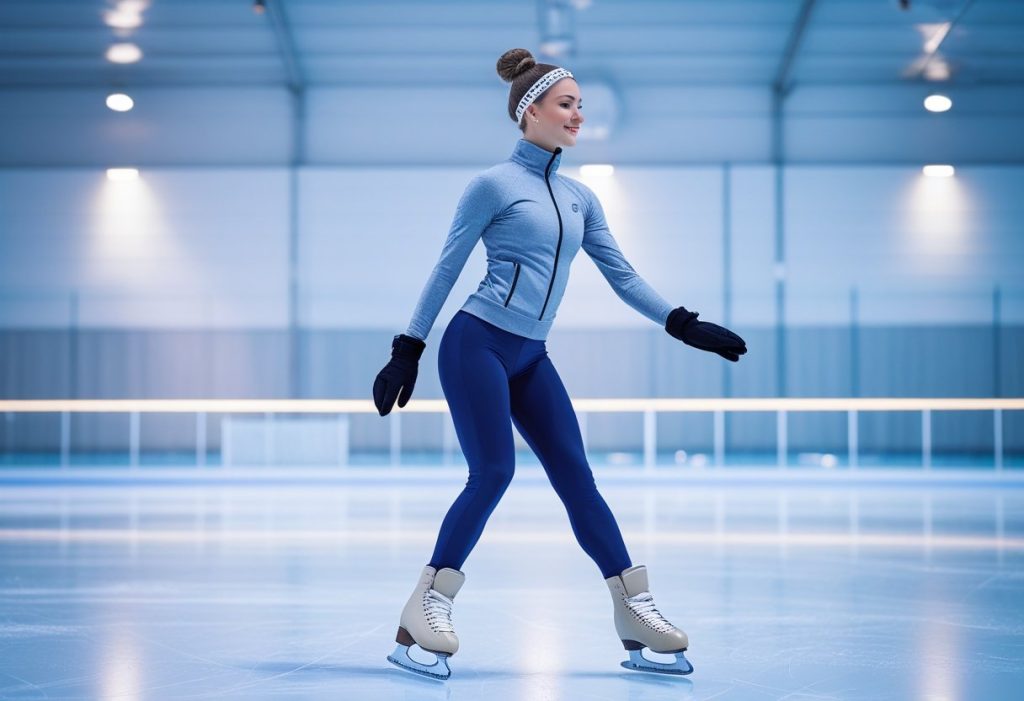
Essential Components of an Ice Skating Outfit
1. Leggings and Tights
Ice skating leggings differ from regular athletic wear. They’re typically thicker, often fleece-lined, and designed to provide both warmth and flexibility. Look for leggings with reinforced stitching in high-stress areas like the knees and inner thighs. Ice Skating Outfits
Performance tights are usually thinner and come in various shades to match skin tone or costume. Many skaters wear leggings for practice and switch to tights for performances. At OutfitAura.pro, we offer both varieties in our curated skating collection.
2. Skating Dresses and Costumes
For figure skaters, the dress is often the centerpiece of their performance outfit. Competition dresses should:
- Allow complete freedom of movement
- Be lightweight to not impede jumps
- Feature secure embellishments that won’t detach during spins
- Comply with competition regulations regarding coverage
Practice dresses are simpler, typically made from durable, stretchy fabrics with minimal embellishments. Many skaters at OutfitAura.pro choose practice dresses with subtle aesthetic appeal that makes everyday training feel special. Ice Skating Outfits
3. Jackets and Warm-ups
A good skating jacket is wind-resistant, lightweight, and easy to remove. Many feature thumb holes to keep sleeves in place and extend warmth to the hands. Warm-up pants often zip completely off, allowing skaters to remove them without taking off their skates. Ice Skating Outfits
4. Accessories
- Gloves: Protect hands from cold and from blade cuts during falls. Look for gloves with grip palms for better control.
- Headbands and Ear Warmers: Keep ears warm without interfering with hairstyles.
- Skating Skirts: Some skaters wear skirts over leggings for aesthetic appeal during practice.
- Bike Shorts: Provide extra protection during falls. Ice Skating Outfits
Discipline-Specific Outfit Considerations
Figure Skating Attire
Figure skating emphasizes aesthetics alongside athleticism. Practice outfits typically include:
- Leggings or thick tights
- Fitted top or sweater
- Practice dress or skirt
- Optional jacket or warm-up
Competition outfits are more elaborate, often custom-made to complement music and choreography. They must balance visual impact with practical considerations like weight and flexibility. Ice Skating Outfits
Hockey Skating Attire
Hockey outfits prioritize protection and mobility:
- Moisture-wicking base layers
- Padded hockey pants (girdle or traditional)
- Shoulder pads, elbow pads, shin guards
- Jersey (typically team-branded)
- Protective gloves, helmet with cage/visor
Speed Skating Attire
Speed skating outfits are engineered for aerodynamics:
- Skin-tight suits made from advanced materials
- Hoods that integrate with the suit
- Low-friction fabrics with strategic texturing
- Minimal seams to reduce air resistance
Recreational Skating Attire
For casual skaters, comfort and warmth are primary:
- Warm, flexible pants (not jeans, which restrict movement)
- Layered tops
- Winter jacket that allows arm movement
- Water-resistant materials (ice melts and can create wet conditions)
Material Matters: Choosing the Right Fabrics
The fabric of your skating outfit significantly impacts performance and comfort. Here are key materials to consider: Ice Skating Outfits
1. Technical Synthetics
Polyester blends dominate modern skating wear because they:
- Wick moisture effectively
- Dry quickly
- Offer excellent stretch and recovery
- Are durable and lightweight
At OutfitAura.pro, our performance line utilizes advanced polyester-spandex blends specifically engineered for skating movements.
2. Fleece and Thermal Materials
For insulation, fleece provides warmth without excessive weight. Newer thermal fabrics incorporate heat-reflective technology while maintaining breathability. Ice Skating Outfits
3. Competition-Specific Fabrics
Performance costumes often incorporate:
- Stretch mesh for coverage with breathability
- Chiffon and georgette for flowing elements
- Lycra and spandex for maximum stretch
- Specialty sequin fabrics designed to lay flat and resist snagging
4. Natural Fibers with Limitations
While some skaters prefer natural fibers like cotton or wool, these have drawbacks:
- Cotton absorbs moisture and loses insulating properties when wet
- Wool can be itchy and heavy
- Natural fibers generally have less stretch than modern synthetics
Safety Considerations in Skating Attire
1. Proper Fit
Loose clothing poses safety risks:
- Baggy sleeves or pants can catch on skates
- Excess fabric may impede vision during spins
- Ill-fitting outfits distract from technique
Conversely, clothing shouldn’t be so tight that it restricts circulation or movement. At OutfitAura.pro, we provide detailed sizing guides to help you find the perfect fit. Ice Skating Outfits
2. Fall Protection
While specialized padding exists for hockey, figure skaters also benefit from:
- Butt pads (subtle padding worn under clothing)
- Knee pads (worn under leggings during practice)
- Hip protectors for jump training
3. Temperature Regulation
Dressing appropriately prevents hypothermia during long training sessions while avoiding overheating. The layered approach allows adjustment as body temperature changes.
4. Visibility
For outdoor skating, incorporate reflective elements or bright colors to ensure visibility in low light conditions. Ice Skating Outfits
Seasonal Considerations for Ice Skating Outfits
Indoor Rink Attire
Indoor rinks maintain consistent temperatures year-round. Focus on:
- Medium-weight layers
- Moisture management
- Easy-to-remove outer layers
Outdoor Winter Skating
Outdoor conditions require additional considerations:
- Wind-resistant outer layer
- Water-resistant materials (snow melts on clothing)
- Warmer insulation, especially for stationary periods
- Protection for extremities (thermal gloves, insulated socks)
- Traction aids for walking to and from the ice
Transitional Seasons
For early winter or late spring outdoor skating:
- Focus on versatile layers
- Include a waterproof layer for possible precipitation
- Consider lighter colors that reflect rather than absorb sunlight
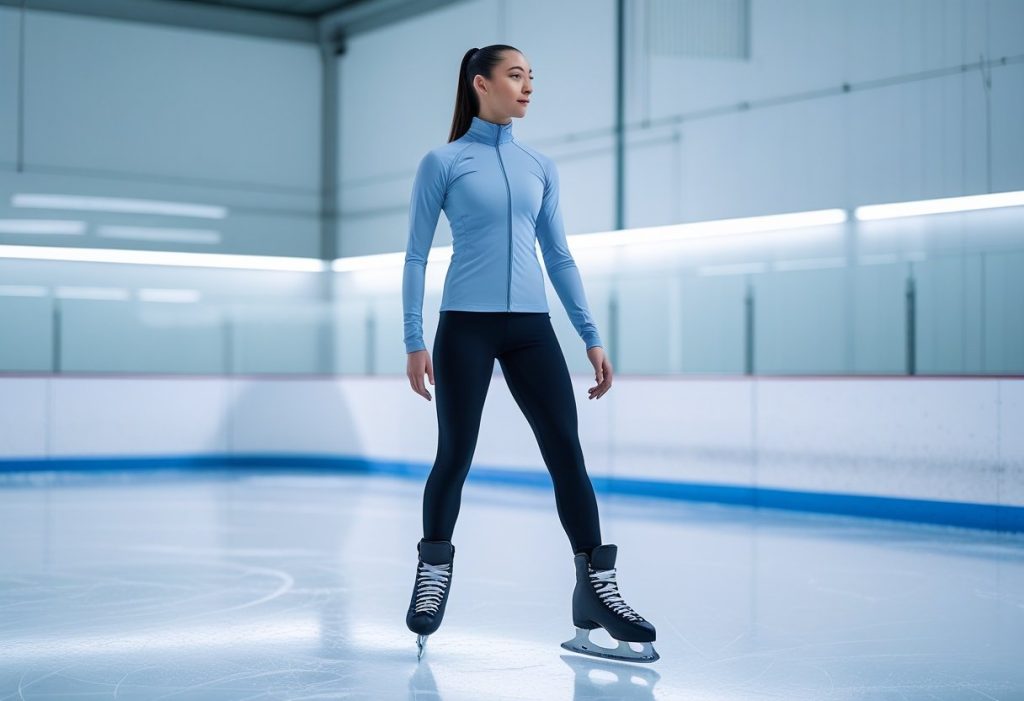
Building Your Skating Wardrobe: Essential Pieces
For Beginners
- Two pairs of quality leggings
- Three moisture-wicking tops
- One warm-up jacket with zip-off sleeves
- Two pairs of skating gloves
- One skating skirt (optional)
- Thermal socks designed for skates
For Intermediate Skaters
Add to the basics:
- Specialized practice dress
- Compression garments for muscle support
- Discipline-specific pieces (like a simple competition dress)
- Multiple weight options for layering
- Performance tights in skin-matching shades
For Advanced Competitors
- Custom competition costumes
- Multiple practice outfits for long training days
- Specialized jump training attire with extra padding
- Travel outfits that accommodate changing conditions
- Backup versions of essential pieces
Care and Maintenance of Skating Attire
Proper care extends the life of your skating outfits:
Washing Instructions
- Turn costumes inside out before washing
- Use cold water and mild detergent
- Place delicate items in mesh laundry bags
- Avoid fabric softeners that reduce moisture-wicking properties
- Hang dry whenever possible; use low heat if machine drying
Storage Solutions
- Store costumes flat or on padded hangers
- Keep sequined items separated to prevent snagging
- Store leggings folded rather than hung to maintain elasticity
- Use breathable storage containers, not plastic bags
Repair and Maintenance
- Check seams and embellishments regularly
- Address loose threads immediately
- Consider professional repair for intricate costumes
- Refresh elastic in skirts and dresses as needed
The Psychology of Skating Attire
What you wear affects how you skate. Many athletes report that wearing purpose-built skating attire:
- Enhances Focus: Separates skating time from everyday activities
- Boosts Confidence: Feeling appropriately dressed improves self-perception
- Improves Body Awareness: Fitted clothing provides better kinesthetic feedback
- Supports the Skating Identity: Reinforces commitment to the sport
At OutfitAura.pro, we understand this psychological dimension and design our collections to support both physical performance and mental preparation. Ice Skating Outfits
Sustainability in Skating Fashion
The skating community increasingly values sustainable practices: Ice Skating Outfits
Eco-Friendly Materials
- Recycled polyester from plastic bottles
- Organic cotton blends
- Biodegradable stretch fibers
- Low-impact dyes
Ethical Manufacturing
- Fair labor practices
- Local production when possible
- Minimal waste patterns
Longevity Over Fast Fashion
- Timeless designs that remain stylish
- Durable construction
- Repair-friendly designs
OutfitAura.pro is committed to gradually increasing our sustainable offerings while maintaining performance standards.
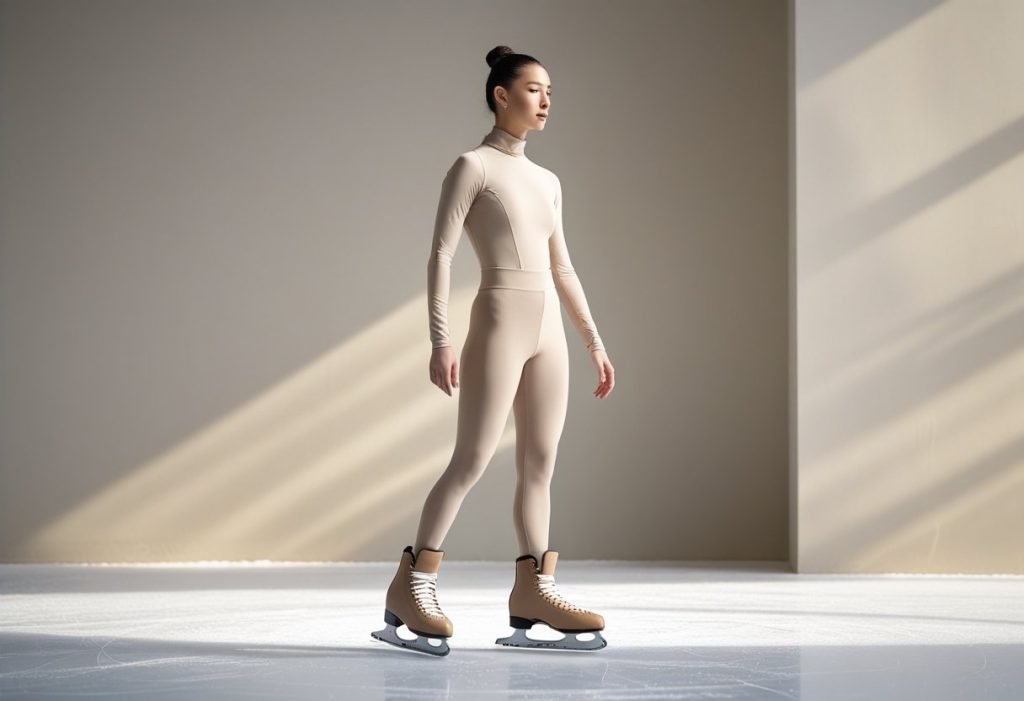
Frequently Asked Questions About Ice Skating Outfits
Q: How many layers should I wear for indoor skating?
A: For indoor rinks, 2-3 layers typically suffice: a moisture-wicking base layer, an insulating middle layer (optional based on personal warmth needs), and a removable outer layer. As you warm up, you can remove the outer layer. Ice Skating Outfits
Q: Can I wear jeans for ice skating?
A: We don’t recommend jeans for skating. They restrict movement, don’t stretch, and become heavy and uncomfortable if they get wet from ice melt. Instead, opt for athletic pants or specialized skating leggings available at OutfitAura.pro. Ice Skating Outfits
Q: How do I choose between leggings and tights?
A: Leggings are warmer and more durable, making them ideal for practice. Tights are thinner and provide a sleeker look for performances. Many skaters wear leggings for training and switch to tights for competitions or shows. Ice Skating Outfits
Q: What should I look for in skating gloves?
A: Good skating gloves should provide warmth without sacrificing grip or feel. Look for gloves with silicone grips on palms, flexible materials that allow hand movement, and durable construction. Some gloves include touchscreen-compatible fingertips for phone use without removal. Ice Skating Outfits
Q: How often should I replace my skating outfits?
A: With proper care, quality skating outfits can last 1-3 years with regular use. Replace items when they show significant wear, lose elasticity, or no longer provide adequate warmth or coverage. Competition costumes may be used for multiple seasons if well-maintained.
Q: Are there specific colors I should avoid for outdoor skating?
A: For outdoor skating, avoid white or light colors that may blend with snow, especially in low visibility conditions. Bright colors or outfits with reflective elements enhance visibility and safety. Ice Skating Outfits
Q: How can I make my skating outfits more unique?
A: Many skaters customize basic pieces with removable embellishments, unique layering combinations, or custom-designed competition dresses. At OutfitAura.pro, we offer customization options for many of our products to help you express your personal style. Ice Skating Outfits
Q: What should I wear under my hockey equipment?
A: Wear moisture-wicking base layers under hockey equipment. Avoid cotton as it retains sweat. Specialized hockey undershirts and compression pants provide the best combination of moisture management and comfort under protective gear. Ice Skating Outfits
Q: How do I choose the right size skating dress?
A: Skating dresses should fit snugly but not restrict movement or breathing. Use your measurements rather than regular clothing size, and consult sizing charts carefully. When in doubt between sizes, many skaters size down for competition dresses and size up for practice wear. Ice Skating Outfits
Q: Are there specific considerations for children’s skating outfits?
A: Children’s skating outfits should prioritize warmth, ease of movement, and growth accommodation. Look for adjustable features, durable materials that withstand frequent washing, and bright colors that make children easy to spot on crowded rinks. Ice Skating Outfits
Essential Components of a Skating Outfit
A complete ice skating outfit includes several key pieces designed for performance and comfort. Leggings or tights are a must-have—they provide warmth, flexibility, and protection during falls. Look for options with reinforced stitching in high-stress areas like the knees and inner thighs. For figure skaters, a well-fitted skating dress or top-and-skirt combination offers both style and functionality. Practice dresses are typically simpler and made from durable fabrics, while competition dresses may feature embellishments and lightweight materials for a graceful look.
Jackets and warm-ups are also important, especially during colder sessions or outdoor skating. Choose wind-resistant, lightweight jackets that are easy to slip on and off. Accessories like gloves, headbands, and ear warmers add extra warmth and protection. Gloves with grip palms are particularly useful for maintaining control on the ice. At OutfitAura.pro, we offer a range of these essentials, carefully selected to meet the needs of skaters at every level.
Discipline-Specific Attire
Different types of skating require different outfits. Figure skaters often wear leggings or tights paired with a fitted top or dress, prioritizing flexibility and aesthetics. For competitions, dresses are designed to complement the skater’s music and choreography while adhering to strict guidelines. Hockey players, on the other hand, need protective gear like padded pants, shoulder pads, and jerseys, all designed for safety and mobility. Speed skaters wear skin-tight suits to reduce air resistance, while recreational skaters focus on comfort and warmth with layered tops and flexible pants. Understanding the requirements of your discipline ensures you choose an outfit that supports your performance and keeps you safe on the ice.
Material Selection
The materials used in your skating outfit play a crucial role in comfort and performance. Technical synthetics like polyester-spandex blends are popular for their moisture-wicking properties, stretch, and durability. Fleece and thermal materials provide insulation without adding weight, making them ideal for colder conditions. For competition costumes, lightweight fabrics like chiffon, mesh, and sequined materials are often used to create a visually stunning look without hindering movement. At OutfitAura.pro, we prioritize high-quality fabrics that offer both functionality and style, helping you look and feel your best on the ice. Ice Skating Outfits
Safety and Fit
A well-fitted outfit is essential for safety and performance. Clothing that’s too loose can get caught on skates or obscure your vision during spins, while overly tight attire may restrict movement and circulation. When selecting your outfit, pay attention to the fit around the shoulders, hips, and knees—key areas for skating movements. Additionally, consider incorporating protective elements like padded shorts or knee guards during practice to reduce the impact of falls. Reflective details are also a smart addition for outdoor skaters, enhancing visibility in low-light conditions. Ice Skating Outfits
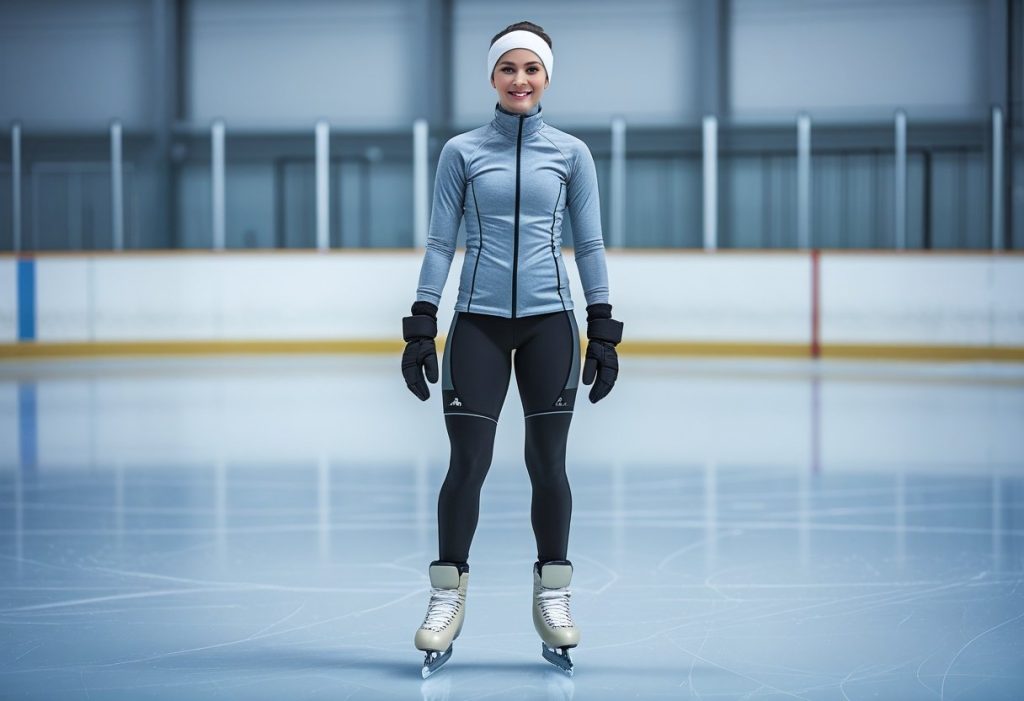
The Future of Ice Skating Attire
Skating fashion continues to evolve with technological advancements: Ice Skating Outfits
Smart Fabrics
- Temperature-regulating materials
- Fabrics with embedded lighting for performances
- Biometric monitoring integrated into clothing
Enhanced Performance Materials
- Even greater stretch without sagging
- Improved moisture management
- Lighter weight materials
Sustainability Innovations
- Closed-loop recycling of skating apparel
- Bio-fabricated materials
- Longer-lasting embellishments and finishes
Customization Technology
- 3D body scanning for perfect fit
- Augmented reality preview of costumes
- On-demand manufacturing reducing waste
Ice Skating Outfits: A Complete Guide
Written by: OutfitAura.pro
An ice skating outfit is far more than just clothing; it is essential gear that blends performance, safety, and personal expression on the ice. Whether you’re a beginner taking your first glide or a seasoned competitor executing complex routines, the right attire impacts your comfort, movement, and confidence.
The ideal ensemble varies by discipline—figure skating, hockey, speed skating, or recreational skating—each demanding specific fabrics, layering techniques, and design considerations. From moisture-wicking base layers that keep you dry to aerodynamic suits that reduce drag, every element serves a purpose.
This guide will explore how to choose, layer, and care for your skating wardrobe, ensuring you look and feel your best while prioritizing functionality and warmth in the chilly rink environment.
Selecting the perfect outfit involves understanding materials, fit, and safety features. Technical fabrics like polyester-spandex blends offer stretch and breathability, while fleece-lined leggings provide insulation without bulk. Accessories such as gloves, headbands, and protective padding enhance both comfort and security during falls. Additionally, outfits should comply with competition standards if needed, balancing aesthetic appeal with practical requirements.
At OutfitAura.pro, we specialize in curating high-performance skating apparel that meets these diverse needs, helping skaters of all levels achieve their goals with style and confidence.
Conclusion: Finding Your Perfect Skating Style
Your ice skating outfit is more than just clothing—it’s equipment that supports your performance, protection that ensures your safety, and expression that showcases your personality. Whether you’re gliding for pleasure or competing at elite levels, the right attire enhances your experience on the ice.
At OutfitAura.pro, we’re passionate about helping skaters of all levels find outfits that combine technical excellence with personal style. Our carefully curated collections address the unique demands of ice skating while allowing for individual expression.
Remember that the perfect skating outfit is one that makes you feel confident, comfortable, and ready to take on the ice. As you develop your skills, your preferences may evolve. Stay attuned to what works for your body, your discipline, and your personal aesthetic.
For more guidance, inspiration, and specialized skating apparel, visit us at OutfitAura.pro. Our team includes former skaters who understand the unique demands of the sport and can help you build a skating wardrobe that supports your journey on the ice.